Ayodhya doesn’t announce itself.
You don’t arrive and feel overwhelmed. There’s no dramatic moment where the city demands your attention. Instead, it waits patiently for you to slow down enough to notice it.
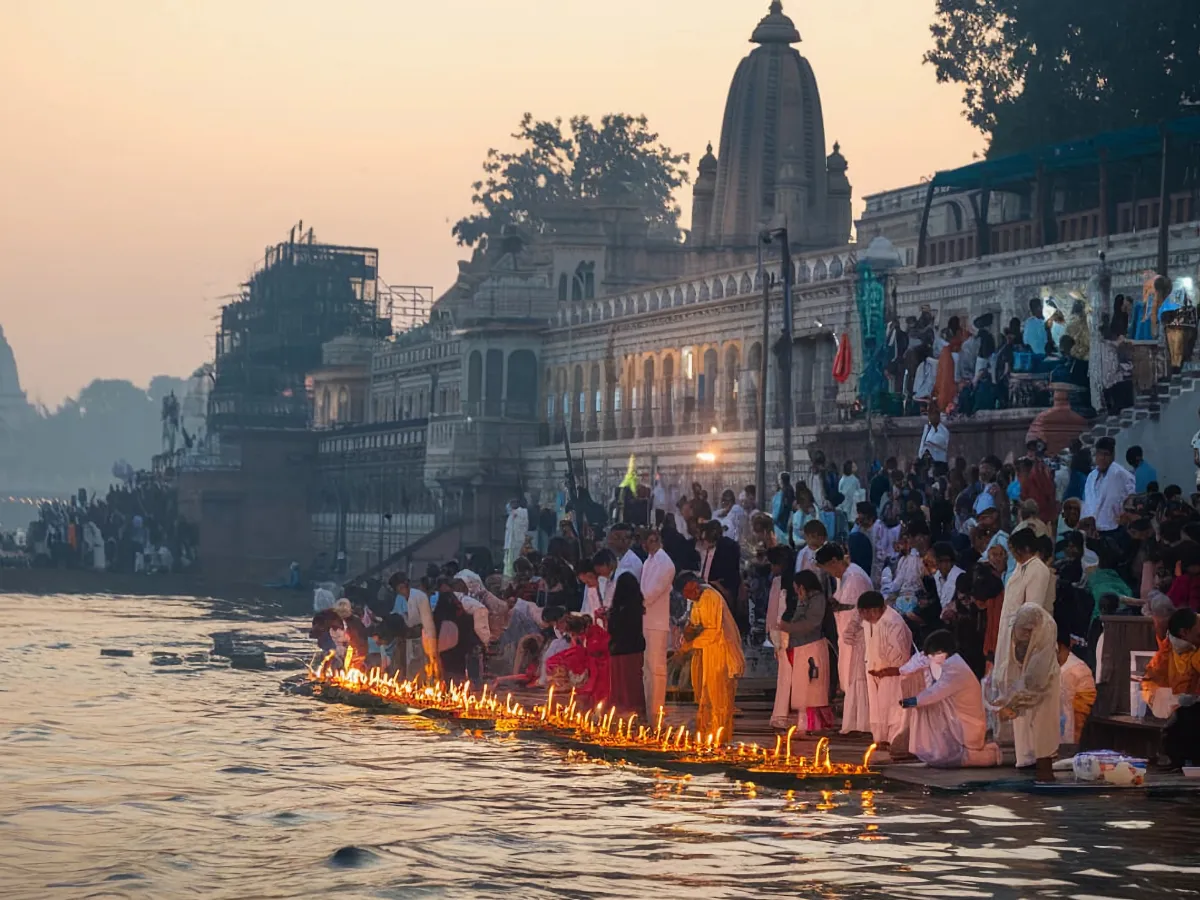
For most visitors, Ayodhya sightseeing places are not discovered through maps or lists alone. They are felt gradually. In the quiet before the first temple bell rings. In the way people step aside to let elders pass. In the stillness near the Sarayu when the city exhales at sunset.
If you’re planning Ayodhya sightseeing, this guide isn’t meant to rush you. It’s meant to help you understand what you’re stepping into a city where sightseeing is less about movement and more about presence.
Why Ayodhya Sightseeing Feels Unlike Anywhere Else
Most cities separate life and tourism.
Ayodhya doesn’t.
Here, the places tourists come to see are the same places locals visit daily. Temples aren’t monuments. Ghats aren’t scenic points. They’re part of routine life. That’s why approaching Ayodhya sightseeing places with a tourist only mindset often feels unsatisfying.
People who leave feeling fulfilled usually do one thing differently: they stop trying to “cover” Ayodhya.
Ayodhya Sightseeing
Ayodhya sightseeing works best when it follows the city’s natural rhythm.
Mornings belong to temples.
Afternoons slow everything down.
Evenings return people to the river.
Trying to fight this rhythm by packing too many places into one day only creates exhaustion. Good Ayodhya sightseeing is unhurried, almost meditative.
Top 5 Tourist Places in Ayodhya
If time is limited, these are the top 5 tourist places in Ayodhya that most visitors naturally gravitate towards not because they’re promoted, but because the city itself seems to lead you there.
1. Shri Ram Janmabhoomi Mandir
This is where most journeys begin, emotionally if not physically.
The scale of the temple is impressive, yes. But what stays with people is the silence they feel inside, even when surrounded by others. Early mornings are gentler. Evenings carry intensity.
Among all Ayodhya sightseeing places, this one asks for stillness more than attention.
2. Hanuman Garhi
Reaching Hanuman Garhi requires effort a short climb, steady steps, patience.
Many locals will tell you that any tourist in Ayodhya should come here first. Not as a rule, but as a tradition passed quietly through generations.
The view from the top reminds you that Ayodhya is small in size, but layered in meaning.
3. Kanak Bhawan
Kanak Bhawan doesn’t compete for attention.
It simply exists calm, graceful, unhurried. People often arrive here planning a quick visit and leave much later than expected.
If there is one place in Ayodhya sightseeing where people sit without checking time, it’s Kanak Bhawan.
4. Sarayu River Ghats
The Sarayu doesn’t rush, and neither should you.
Walking along the ghats early in the morning feels different from standing there during aarti in the evening. Both are quiet in their own way. Many tourists in Ayodhya say this is where the city finally made sense to them.
Photos never capture what the river gives you.
5. Dashrath Mahal
Dashrath Mahal feels alive.
There is music, colour, movement not chaotic, but warm. This place shifts the narrative from Ram as a deity to Ram as a son. It adds a human layer to Ayodhya sightseeing that many don’t expect.
Tourist in Ayodhya: Adjusting Expectations
A tourist in Ayodhya quickly learns that this city doesn’t entertain it receives.
There are no curated experiences or staged moments. Instead, you participate in what already exists. You stand in line. You walk narrow lanes. You wait. And somewhere in that waiting, something settles.
Tourists in Ayodhya who arrive expecting excitement often leave confused. Those who arrive open minded usually leave calmer.
Other Ayodhya Sightseeing Places Worth Slowing Down For
Some places don’t make it into top lists, but they stay with you longer.
Nageshwar Nath Temple
Quiet, grounded, and deeply rooted in Shaiv tradition. Visiting this temple brings balance to an otherwise Vaishnav dominated narrative.
Tulsi Smarak Bhawan
This place doesn’t overwhelm you with architecture. It speaks through words, history, and thought. Especially meaningful for anyone familiar with the Ramcharitmanas.
Guptar Ghat
Less visited. Less photographed. More reflective. Many locals prefer this ghat for quiet moments away from crowds.
Ayodhya City Map: Why Understanding It Helps
An Ayodhya city map isn’t about navigation alone. It’s about energy management.
Most Ayodhya sightseeing places are close, but the old city lanes can be confusing. Knowing which areas cluster together helps avoid unnecessary walking and fatigue.
On the Ayodhya city map, you’ll notice:
- Temples grouped closely
- River running parallel to key sites
- Residential life woven into sacred zones
Understanding this layout makes movement feel easier.
When to Explore Ayodhya Sightseeing Places
Time of day changes everything.
Early mornings are gentle. Midday asks you to pause. Evenings invite reflection.
Planning Ayodhya sightseeing without respecting time often leads to tiredness rather than fulfilment.
How Many Days Feel Right for Ayodhya Sightseeing?
One day shows you the surface. Two days allow understanding. Three days create familiarity.
If you only want the top 5 tourist places in Ayodhya, one or two days may suffice. If you want the city to sink in, give it more time.
Small Things That Make a Big Difference
- Wear simple clothing
- Walk slowly
- Sit often
- Speak softly
- Don’t over document
Ayodhya responds best to humility.
Why Ayodhya Sightseeing Stays With You
Most places give you memories.
Ayodhya gives you space.
Long after you’ve left, something about the city lingers not in photos, but in how you slow down afterward. That’s why people return. Not because there’s more to see, but because there’s more to feel.
Final Thoughts on Ayodhya Sightseeing Places
Ayodhya doesn’t try to convince you of anything.
It simply allows you to arrive and leaves the rest to you.
If you walk through its streets with patience, use an Ayodhya city map only when needed, and approach sightseeing as participation rather than observation, the city meets you halfway.
And quietly, without announcement, it stays with you.
Explore Ayodhya the Right Way
Ayodhya is best experienced when travel feels calm and well planned. Tirth helps you explore Ayodhya sightseeing places with guided itineraries, temple insights, and on ground support so your journey stays peaceful, not rushed.
Leave a Reply