To be able to do the most important things is a challenge with excitement for a meaningful engagement. This plan is designed to balance the depth of experience with the spiritual, the pace to be family friendly, and the timing, so the experience truly feels fulfilling and not rushed.
Why This Plan Works
Concern for short pilgrimages include the long holds, the heat, the distance of the walking, and the satisfaction of the group, for Ayodhya is a great concern for the group. The itinerary below attempts to minimize the distance of backtracking the scheduling of the replenishment for the closure of the impactful, the emotional, and the cultural for the given time, and the most important balance of the closure.
- Rest stops designed along the itinerary to address group satisfaction.
- Early am devotion for quiet.
- Routing for energy with specific goals.
- A blend of the important with sufficient quiet time
- The scheduling of time for the devotion to the spiritually important to the emotionally profound experience of Ayodhya.
Day 1: The most important part of Ayodhya.
Ayodhya has the most important sights from which the most meaningful interactions form the emotional core of Ayodhya.
Morning: Kanak Bhawan and Hanuman Garhi.
As a family, the Hanuman Garhi is a great stop for the 76 steps and will have a huge hilltop. Finish after the sunrise.
Bajrang Bali’s protective energy can be felt as visitors take in stunning views of the city.
Morning light is peaceful, and lines tend to move faster than in the afternoon.
Kanak Bhawan
Take a short auto ride to this golden temple, which Kaikeyi gifted to Sita.
Because of its intricate carvings, shining idols of RamSita, and peaceful courtyard, this temple is especially photogenic.
Spend 60 minutes on darshan and reflection.
Midday: Ram Janmabhoomi Temple Complex
Ram Janmabhoomi Temple

This is the spiritual center of modern Ayodhya. Depending on the day, security checks can take 30 to 60 minutes.
The powerful energy and breathtaking structures are worth the wait.
If the lines are feeling too long, Ram Ki Paidi is a space where you can view the main structure.
Supporting sites within walking distance (if energy permits)
Kuber Tila or Sita Rasoi are quick stops that add a bit of historical context without much additional walking.
Evening: Sarayu River Experience
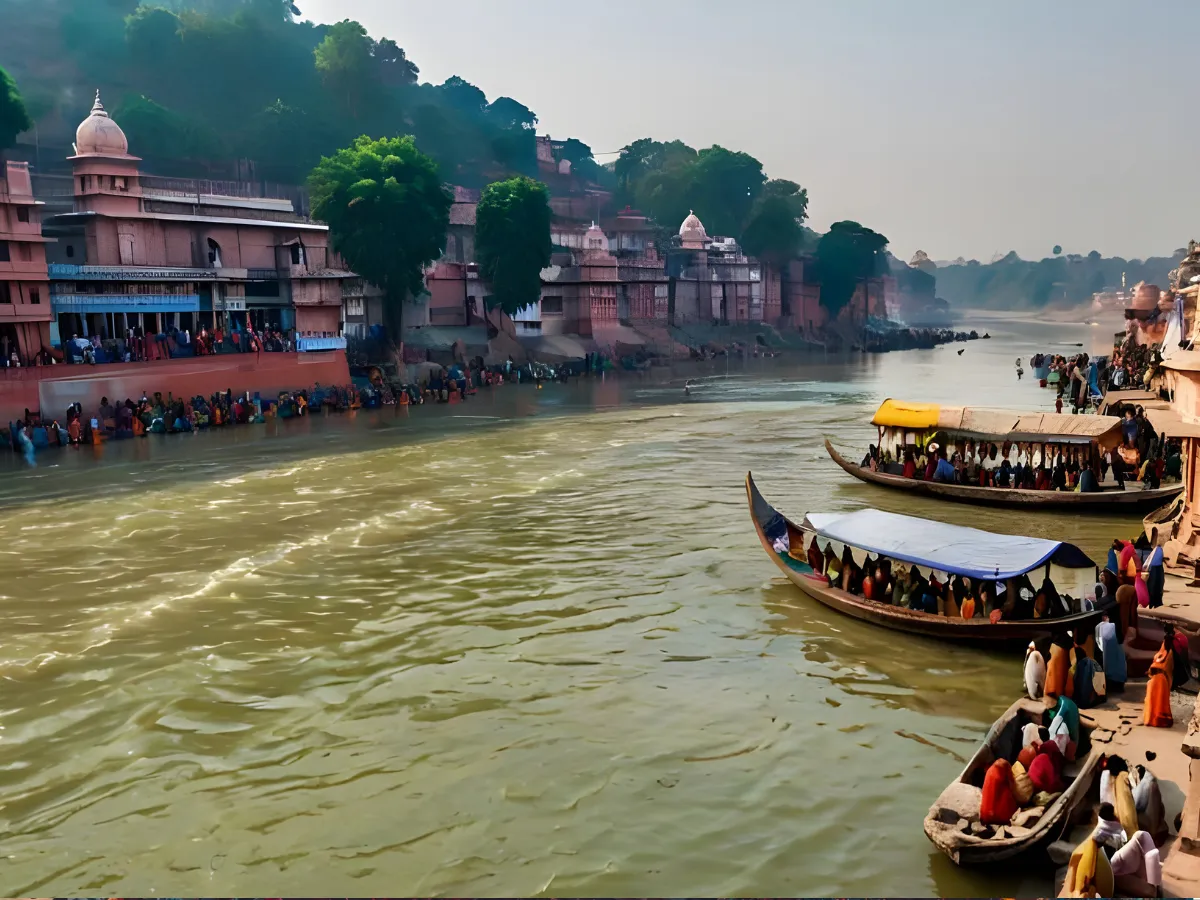
Sarayu Ghat and evening aarti
Try to arrive at the ghats in the late afternoon. The combination of collective chanting and the view of the sunset over the river is unforgettable.
Experience or observe the aarti, where they use bells and devotional songs to accompany the aarti lamps.
Short boat rides on the Sarayu are optional but are a nice closing activity for the day.
Day 2: More layered Heritage, More reflective spaces.
Slightly less crowded but just as important, these spaces are less busy, while more varied.
Morning: Ancient and Mythic Temples
Nageshwarnath Temple
This is one of the oldest Shiva temples of Ayodhya, which is believed to date back to Treta Yuga.
An ancient Lingam and peaceful premises here offer a nice contrast to the busier spaces of Day 1.
This is ideal for the families looking for a quieter space to pray.
Guptar Ghat
Scenic riverbank spot which is associated with the legends of Lord Ram’s jal samadhi.
Large steps, quiet temples, and open views make for good pictures and a nice spot to relax.
River foot dip (where allowed) is a good way to cool off.
Afternoon: Cultural And Open Air Spaces
Ram Katha Park
Large park with life size dioramas of the Ramayana, open fields, and cultural performances.
The storytelling features are enjoyed by the kids, while the adults enjoy the shaded seating.
This is an ideal break to enjoy some little snacks from the surrounding stalls.
Mani Parvat (optional short climb)
A small hill that provides 360 views of Ayodhya.
After a busy day of visiting the temples, the short climb provides a calm space and a fresh perspective.
Late Afternoon: Flexible Options
Area of Treta Ke Thakur or Lakshman Fort
Choose one based on how much energy you have left and interest in Ramayanarelated history.
Both offer the opportunity for some peace and quiet to consider and reflect on the day’s experiences.
Practical Advice for Comfort and a Smooth Journey
- Begin your temple visits at 6:30 7:00 in the morning.
- Dress modesty and wear comfortable walking shoes. (Shoulders and knees should be covered).
- Bring a small water bottle, light snacks, and any medications you may need.
- Between locations, use appbased cabs and prepaid autorickshaws.
- For navigation and live crow updates, charge your mobile phones before going to crowded temples.
- For the best access, book accommodation near Ram Path or the railway station.
Addressed Common Concerns
Two days can create some anxiety when planning your itinerary in Ayodhya. This itinerary includes the most important places to visit in Ayodhya in 2 days, while also allowing for personal pace adjustments.
This itinerary also accommodates visiting Ayodhya with family by including places with open space, parks, and views of the rivers, along with shorter walks.
When time restricts you to one day, the best places to visit in Ayodhya in one day include, Ram Janmabhoomi, Hanuman Garhi, Kanak Bhawan, and the Sarayu aarti.
Concluding Remarks
Ayodhya offers each traveler opportunities for soul searching and serenity, regardless of the duration of the visit. The thoughtfully crafted itinerary prioritizes the most significant attractions without stressing the body and mind.
Please contact us when you are ready to confirm travel dates and lodging, as well as special requests for family modifications. The team is ready to customize this experience to make sure your stay in Ayodhya is exceptional.
Planning your Ayodhya journey? Get complete travel insights and essential details on Tirth.com
Leave a Reply