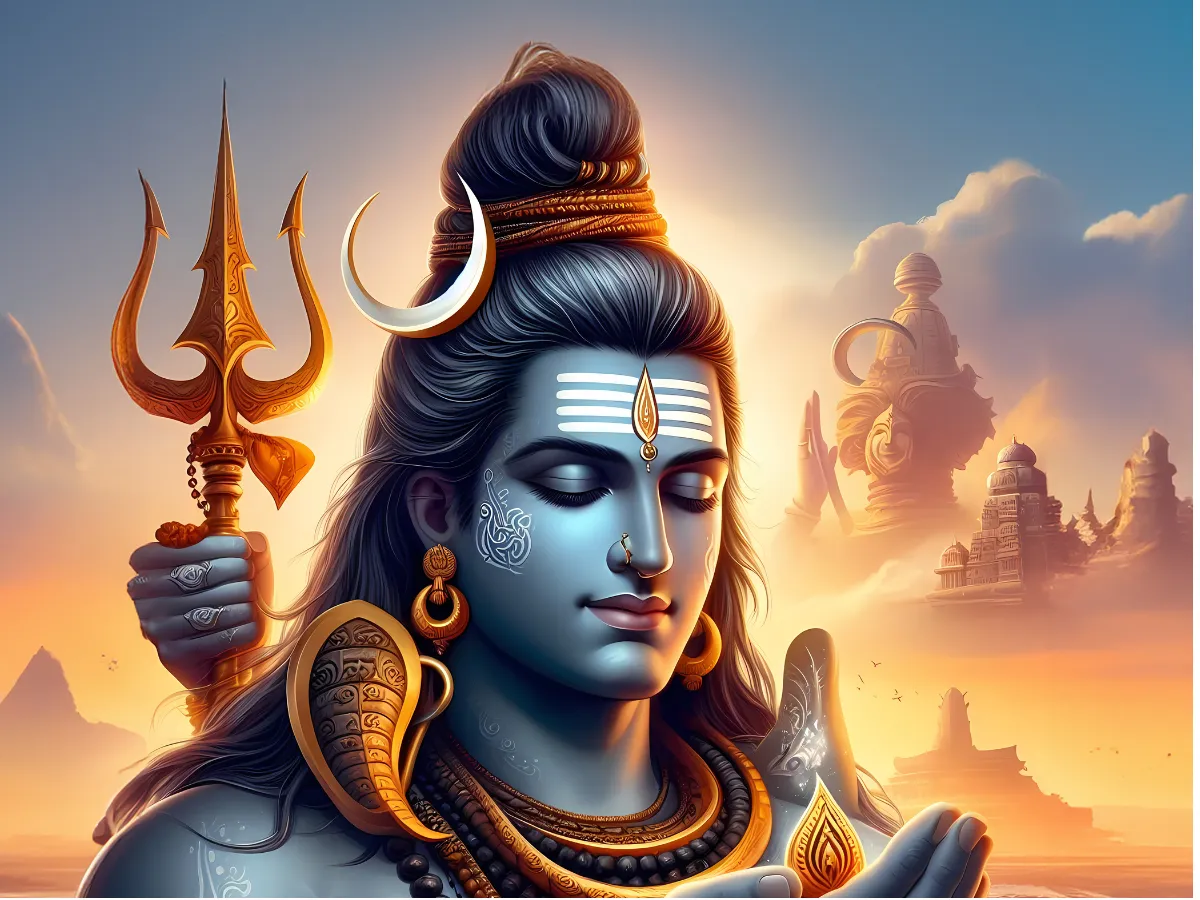
One of the keys to the Tirth experience is understanding the optimal time to visit Varanasi. Given Varanasi is a destination of interest to pilgrims, historians, and travelers, the time of visit has a profound impact on the experience. Tirth uses a range of information on local conditions to provide recommendations tailored to individual preferences and expectations.
Seasonal Temperatures of Varanasi
The temperatures in Varanasi follow a 3 season cycle. Varanasi has a subtropical climate with a cool, dry winter, a hot, dry summer and then a wet monsoon season. Each of these seasons impacts activities and the level of comfort to be expected. From July to September, rainfall is concentrated in this period. Temperatures also range quite drastically, with nightly temperatures in January averaging 5°C while afternoons in May can exceed 40°C.
The winter season in Varanasi is characterized by frosty mornings and mild afternoons. This makes it perfect for long, outdoor activities. Summers, however, can be overwhelming as the sun in the afternoons can be intense, and relentless midday heat can make outdoor activities quite challenging. However, the summer monsoon brings a refreshing, green glow to Varanasi. This is, however, accompanied by higher humidity and frequent rains.
Best Time to Visit Varanasi
If you are planning to visit Varanasi, the ideal time to explore the town is between the months of October to March. This is the time when temperatures are optimal and you can explore the town without any disturbances. During this period, the daytime temperatures are between 15°C to 30°C and evenings are chilly. During this time of the year, major events are also happening which makes it a perfect time to visit the town.
- Bid the day to an end watching the sun go down over the Ganges as you ride a boat watching the sunrise at the ghats as locals perform their bathing rituals.
- Feel the day’s heat melt away as you enjoy the Aarti ceremony at Dashashwamedh Ghat as flames reflect on the Ganges.
- Take your time visiting the ancient temples as you marvel at their construction and soak in the spirituality of the surroundings without the rain and heat.
- The festivals elevate the experience with what are normally simple days into extraordinary celebrations even with the crowds that are present.
Winter Highlights
- The best time of the year is undoubtedly between November and February as the temperature is perfect with warm days and cool evenings. The winds breath freshness and the humidity is low. Morning fog add to the ethereal atmosphere. Mornings are perfect for visits to the temples and evening walks on the river.
- Dev Deepawali in November is a sight to behold as thousands of lamps reflect on the Ganges. The streets fill with festivities and sweets as the city celebrates Diwali. Devotees flock in for the Mahashivratri in February or March to do parikramas and sit in meditative vigils for the night.
- Given the potential for chilly mornings and warm afternoons, wearing layered clothing will keep you comfortable while waiting in long lines for the temple or sitting by the river.
- For a taste of the local area, try seasonal treats, such as malaiyo, a regional frothy winter treat.
- When scheduling trips by boat, be sure to leave early so you can enjoy the peaceful surroundings while watching the city come to life. Row.
- These elements combine to create a peaceful and vibrant atmosphere.
Summer Considerations: April to June
- When traveling to Varanasi, June and April should be avoided. During these months, heat prevails, and temperatures can soar above 40°C. Dust and dry air can also create challenges while traveling. This can lead to fatigue and dehydration, especially while on the move.
- With a significant reduction in people traveling during these months, some people enjoy the still atmosphere for practicing meditation and reflection, while others appreciate the easier access to the major sites.
- During these months, it is important to get out early in the morning, and also in the evening, and limit how long you are outside.
- During the times you are outside, it is important to bring plenty of water, a hat, and a light scarf to provide protection from the sun.
- You should also consider choosing accommodation that has air conditioning. This will help maintain your energy levels for indoor activities, as well as cultural activities.
- This period is often avoided except by those who are able to tolerate high temperatures.
Monsoon Dynamics: July to September
- The Varanasi monsoons see a transformation of the city to a green haven. Come August and the city see an increase in rainfall leading to waterlogging at the Ghats of the Ganges and disrupting boat services. During the monsoons humidity also soars leading to a warmer atmosphere.
- Fewer visitors during the monsoon season means an opportunity to visit the temples at leisure, and to participate in quieter aarti ceremonies. The monsoon also makes the rivers and the skies more beautiful.
- It is advised to wear quick drying clothing and waterproof shoes to the Ganges as monsoons can bring sudden downpours.
- It is best to check daily forecasts to see when the skies will clear for water front activities.
- During monsoons, other activities can be done like Indoors storytelling at heritage sites, or listen to classical music.
- With some logistical challenges, the monsoons are one the best seasons for solitude seekers and the nature lovers.
Benefits of Shoulder Periods
- The months of March and October are the seasons of transition, as in these months temperatures are more moderate. In March the warmth of the winter is felt and in October the heat of the summer is absent. These months also see fewer visitor and thus more space at in the attractions.
- In March the dull of winter is brightened with the festival of Holi, and in October the monsoon is followed with clear skies and the festival of Diwali.
- These months are also the best for pricing as they tend to be in demand and bookings should be done in advance. Combine core Varanasi sights with day trips to Sarnath for Buddhist heritage under agreeable conditions.
- Remain flexible to shifting weather patterns that add variety without major disruption.
- These timeframes offer excellent potential for valuably crafted arrangements.
Essential Preparation Across Seasons
- Successful visits stem from thoughtful readiness regardless of timing. Prioritize health with updated vaccinations, and pack basic travel sickness remedies. Dress modestly as a show of respect to the traditions and to merge into the background at religious sites.
- Check the dates of particular festivals for activities that align with personal preferences, whether they be quiet and devotional, or animated and processional.
- For quick travel through densely packed areas, use easily navigable local transport, like cycle rickshaws.
- Hire a guide to gain access to the stories hidden in the back streets that offer a richer appreciation of the city.
- Each of these activities increases your sense of safety and personal satisfaction.
Impact of Timing on Overall Experience
Selecting a suitable time of year to visit minimizes frustrations. Thoughtful arrangements help to conserve energy for important activities, like ultimate stress relief at Manikarnika Ghat and engaging in celebratory activities. Getting these elements aligned makes basic sightseeing turn into memorable experiences.
Tips to Enhance Your Visit to Varanasi
- Bring a variety of suitable clothes based on the weather forecast to include good walking shoes for the rocky stairs. Stay open to making changes to your daily plans due to the weather, other surprises, or events. Visit familyowned restaurants for authentic food that fits your spirituality.
- During peak season, it is also nice to join small group walks for added safety and different viewpoints.
- Take respectful and mindful pictures of the sacred and the people.
- Reflect personally each day somewhere peaceful within the busy city’s flow.
- All the above tips are good to ensure that your changes to reflect on your trip become memories.
Final Guidance and Next Steps
Tirth is focused on deepening walks. This summary outlines the most constructive time to visit Varanasi based on past visitors and dependable trends. For more specific suggestions based on interest, travel dates, preferred group size, etc., please contact us. The team is ready to discuss and finalize your travel plans. Start your trip to the ancient city.
Help visitors to Varanasi plan a meaningful journey with insights from Tirth.com.
Leave a Reply