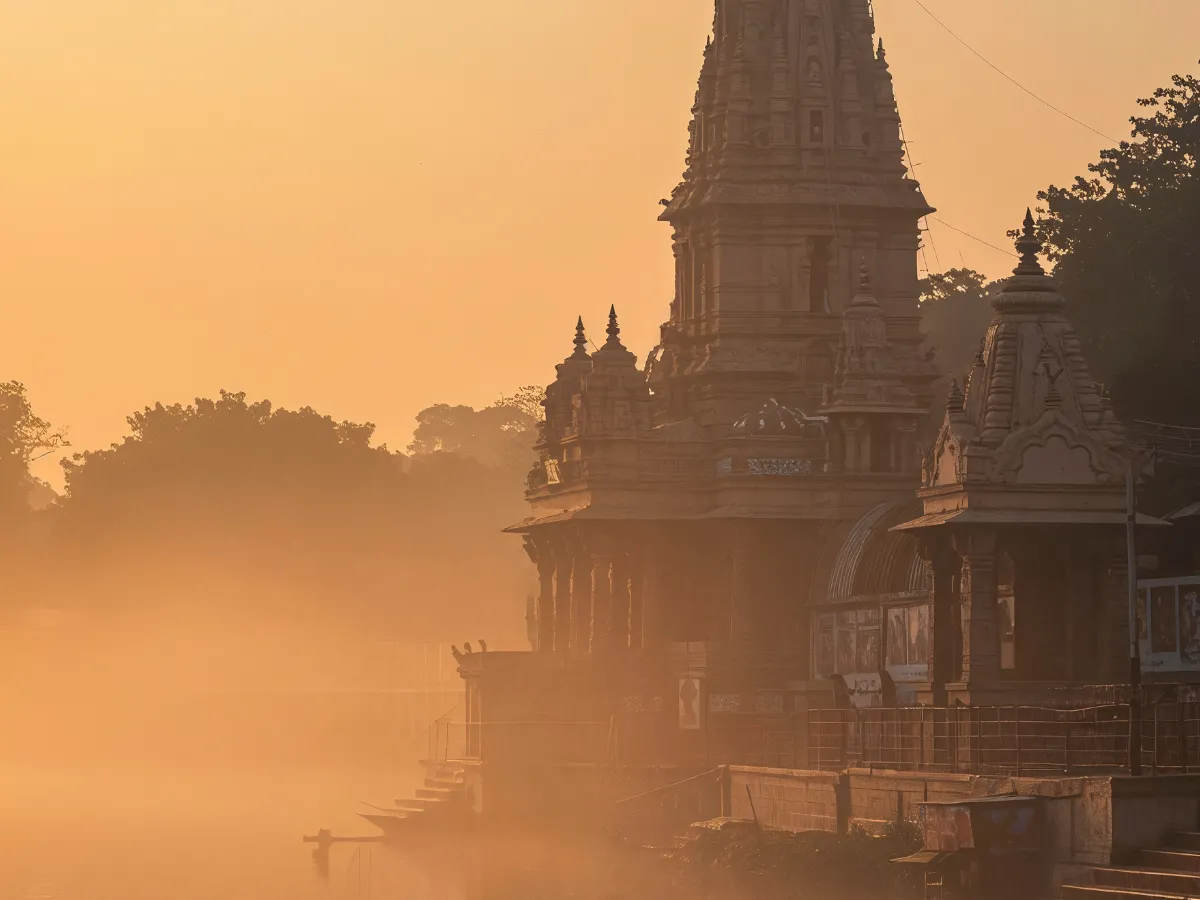
The Kashi Vishwanath Temple is one of the most important and greatest temples in India, the most significant Shiva temple, and the very heart and center of the city of Varanasi. Thousands of even contemporary pilgrims visit the temple each year, believing even one temple darshan frees the soul from the reincarnation cycle and grants moksha.
Ancient Varanasi, Kashi, and the temple are all mentioned in thousands of years of Indian culture in vedas, puranas, and other devotional literature. People travel to the temple and the river Ganges even today, hoping to experience God and obtain peace.
The purpose of this guide is to clarify, elaborate, and organize the experience of worshiping and observing Kashi Vishnath Temple, including history, spiritual significance, and the rules and processes of temple worship, darshan, aarti, and other practical details.
Kashi Vishwanath Temple: Overview and History
Kashi Vishwanath Temple is one of the oldest Kashi Vishwanath Temple is one of the oldest temples in India, with mentions of the temple being found in the ancient scriptures, the Skanda Purana, and the Shiva Purana, and several other ancient texts. Kashi being one of the cities in India which is eternal, a city that Lord Shiva is said to never leave. The temple has faced many invasions, destruction, and reconstruction throughout history, losing and gaining many temple structures. The current Kashi Vishwanath temple was built in the year 1780 and is credited to an equally devout and remarkable woman of Indian history, Maharani Ahilyabai Holkar.
The temple and the Jyotirlinga of Vishwanath have served as a symbol of the unbroken and continuous faith of the followers of Vishwanath despite all of the upheavals and chaos that have struck the temple continuously throughout the ages. This continuous faith translates to the simple yet powerful fact that dharma, in all its forms, survives through devotion and faith, not through the stones that surround them.
The Spiritual Significance of Kashi Vishwanath Jyotirlinga
There are 12 Jyotirlinga representations of Shiva all over India. Kashi Vishwanath is very special and is seen by many as the most important of all the Jyotirlingas.
- The Lord Shiva himself whispers the Taraka Mantra in the ears of the devotees when they are dying.
- If a soul leaves the body in Kashi, he directly attains moksha.
- Worship in Kashi, the Kashi Vishwanath Temple, and especially the Kashi Vishwanath Jyotirlinga, removes all karmic cycles and restorative cycle bonds of that person, of the person that is worshiping.
This is the reason Kashi has been known as Mahashmashanathe great cremation ground. It is here that death is not to be feared, but to be liberated through the Kashi Vishwanath temple and the Kashi Vishwanath Jyotirlinga.
Every Jyotirlinga temple holds particular significance; however, Kashi is a spiritually unique case. The Jyotirlinga here embodies Shiva as Vishwanath, King of the Universe.
Kashi Vishwanath Darshan: StepbyStep Experience
Completely overwhelming, the emotional and intense experience of darshan at Kashi Vishwanath temple is not for the fainthearted. The sanctum, because of its small size, is very limited, and direct darshan only lasts seconds. That said, very seconds will hold a spot in your memory forever.
Darshan Process
- Kashi Vishwanath Corridor Entry
- Security check and deposit a locker
- Queue advancement towards the garbhagriha
- Short, but intense darshan of Jyotirlinga
Types of Darshan
- General Darshan: Free, longer wait
- Sugam Darshan: Paid, shorter wait for access
- VIP Darshan: Limited and requires prior approval
Kashi Vishwanath Opening and Daily Temple Times
Kashi Vishwanath Temple’s Opening and Daily Times help understand the Temple’s hours so as to help avoid congestion.
Temple Opening Hours
- Morning: 03:00 AM to 11:00 AM
- Afternoon: 12:00 PM to 7:00 PM
- Night: 08:30 PM to 11:00 PM
Important Aartis
- Mangala Aarti: 03:00 AM
- Bhog Aarti: 11:15 AM
- Sandhya Aarti: 07:00 PM
- Shringar Aarti: 09:00 PM
Kashi Vishwanath Aarti: Meaning & Devotional Power
The Kashi Vishwanath Aarti is a devotional act that involves intricate details that serve to deepen the connection between a worshipper and the Divine.
Mangala Aarti is the call to invoke Lord Shiva within
Sandhya Aarti is the call for the equilibrium between the material and the spiritual
Shringar Aarti is in honor of the Divine’s Beauty and the Oneness of Creation.
Even a single attendance for an aarti is an experience that brings about stillness and a sense of surrender.
Kashi Vishwanath Corridor: A New Sacred Pathway
The Kashi Vishwanath Corridor has for the first time in centuries reestablished a direct connection of the temple to the Ganga.
The spiritual axis of the Vishwanath temple has been restored.
Highlights
From Lalita Ghat access is available.
The flow of the darshan has been organized and is clean.
Zones for resting, information, and rituals.
The pilgrim experience has been transformed. Darshan now feels simple and easy while preserving the sanctity of the Center.
Kashi Vishwanath Temple Rules Every pilgrim Must Know
In order for the Kashi Vishwanath Temple to remain a sacred space, the following Kashi Vishwanath Temple Rules must be observed:
No bags, phones, and cameras.
Offering must be of the traditional kind.
Dress respectfully.
Silence and order in the lines.
These rules create an atmosphere that allows everyone to focus on the Darshan.
Kashi Vishwanath Temple Offers and Services
Worshippers may partake in the following services:
Rudrabhishek
Maha Abhishek
Laghu Puja
Special Shravan Puja
Traditional offerings include: milk, bel (a type of tree), leaves, flowers, and (sprinkled) water.
When Is Kashi Vishwanath Temple Most Accessible
The ideal time depends on devotion and comfort.
Best Time to Visit Varanasi
- Best months: October to March
- Best days: Mondays, Pradosh, Mahashivratri
- Best time of day: Early morning or late night
If traveling with elders, don’t travel during peak afternoon in the summer.
Top Temples in Varanasi
If you want to complete your spiritual circuit, visit the following:
- Annapurna Devi Temple
- Kalabhairav Temple
- Sankat Mochan Hanuman Temple
- Vishalakshi Shakti Peeth
Kashi Vishwanath Temple: Why Is It the Most Integral Temple?
The Kashi Vishwanath Temple is not an exercise in tourism. It’s the spiritual reincarnation in the eyes of God. Vishwanath is the God of all the God of Blessings, the God of Healing, the God who Liberates.
You need to gift your soul with your plan to seek Darshan, and the Kashi will gift you with what your soul truly yearns for.
Plan your Varanasi experience with confidence using trusted insights from Tirth.com
Leave a Reply