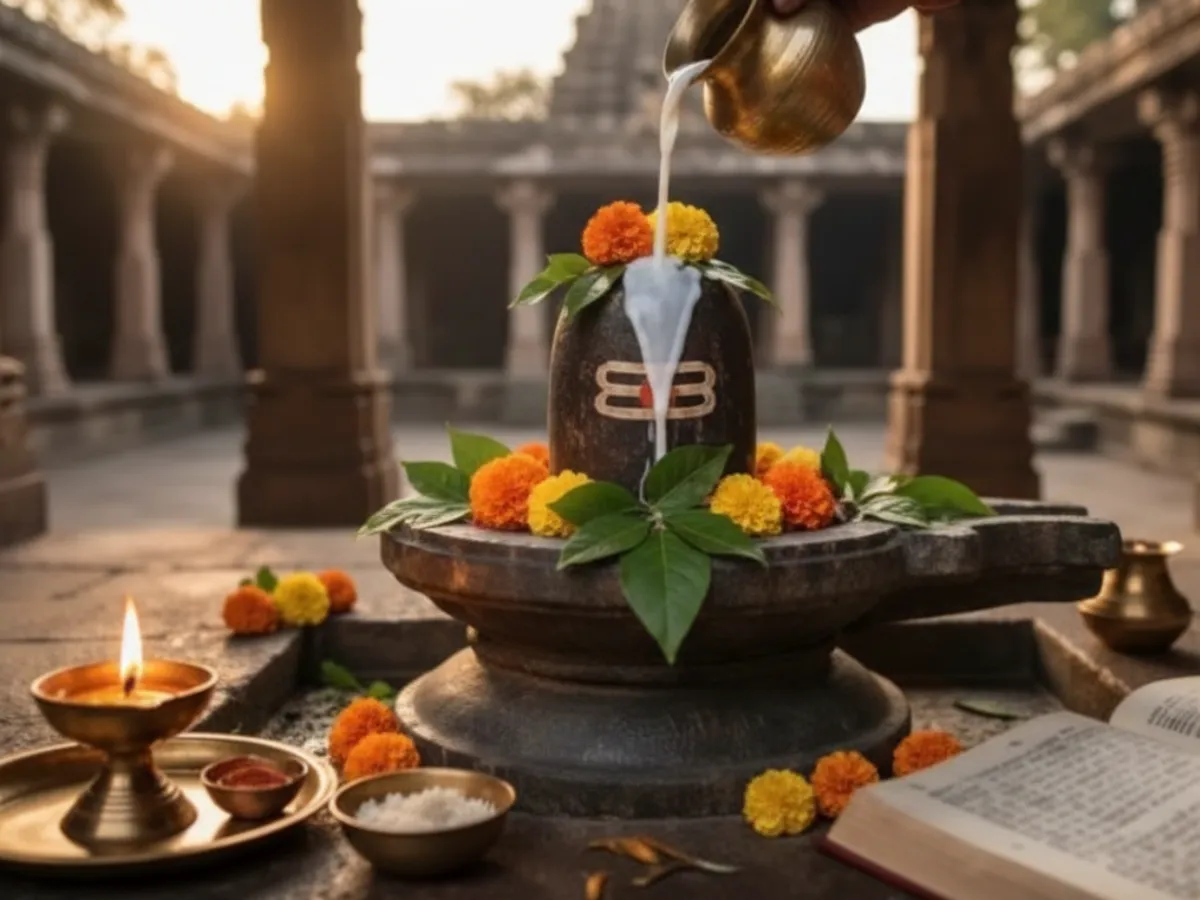
A calm yet persistent question surfaces every year as Maha Shivratri approaches. Devotees feel drawn toward this night of worship, silence, and restraint, yet many remain uncertain about its deeper reason, the exact date, and the events believed to have unfolded on this sacred occasion. Emotional hesitation often comes from fear of performing rituals incorrectly or not fully grasping the intent behind the observance. This guide offers steady clarity and reassurance, addressing these concerns with grounded explanation and practical insight.
The Fundamental Question Behind Maha Shivratri
Curiosity often begins with why do we celebrate mahashivratri. This night stands apart from festive celebrations marked by outward joy. Maha Shivratri centers on stillness, discipline, and inward awareness. The observance encourages withdrawal from excess sensory engagement so attention may rest on consciousness and restraint.
The night invites alignment between thought, action, and awareness. This alignment supports emotional steadiness and reflection, which forms the heart of the observance.
When Maha Shivratri Is Observed
Confusion around timing frequently creates stress during planning. Many seek clarity on when is maha shivaratri to arrange fasting, leave schedules, travel, or family participation. Maha Shivratri follows the lunar calendar and falls on the Chaturdashi tithi of the Krishna Paksha in the month of Phalguna.
The question when mahashivratri often arises in households planning night worship. The observance traditionally begins after sunset and continues through the final watch of the night. This timing supports silence, alertness, and reduced daily activity.
What Happened on Maha Shivratri
Another question arises quietly yet persistently: what happened on maha shivratri. The answer carries spiritual meaning rather than historical documentation alone. Multiple traditions describe events that guide intention and conduct.
Sacred Narratives Linked With the Night
- One belief speaks of Lord Shiva entering deep meditation, representing supreme awareness and inner stillness.
- Another tradition describes the union of Shiva and Parvati, symbolizing harmony between restraint and devotion.
- Some narratives speak of cosmic balance restored through intense discipline and focus.
Each account directs attention toward restraint, silence, and reflection rather than spectacle.
The Deeper Significance of Maha Shivratri

Inner Discipline and Awareness
The maha shivratri significance rests on cultivating control over impulses, speech, and mental restlessness. Practices such as fasting, night vigil, and mantra repetition reduce distraction and sharpen attention. This discipline supports emotional balance and clarity.
The maha shivratri importance often becomes visible in daily conduct after the observance, with improved patience, steadier emotions, and clearer judgment.
Symbolism Embedded in Observance
Every ritual carries layered meaning.
- Fasting reflects mindful restraint and conscious consumption.
- Night vigil represents alert awareness during stillness.
- Abhishek signifies renewal through repetitive, focused action.
These actions reinforce inward focus and intentional conduct.
Common Pain Points Experienced by Devotees
Many devotees express anxiety about ritual accuracy or physical endurance. Some worry about health concerns related to fasting. Others fear unintentional mistakes that might lessen spiritual value. These concerns often create hesitation or emotional pressure.
The observance values sincerity and steadiness above technical precision. Adaptation based on health, age, and capacity remains respected within tradition.
Preparing for Maha Shivratri With Calm Confidence
Mental Preparation
- Setting a clear intention before the date helps guide actions through the night.
- Quiet reflection a few days earlier reduces mental agitation.
- Releasing comparison with others supports focus and emotional ease.
Such preparation supports steady participation without inner pressure.
Physical Preparation
- Gradual dietary simplification a day earlier helps the body adjust.
- Hydration planning supports stamina during the night vigil.
- Existing health conditions guide fasting choice without diminishing spiritual merit.
Respect for the body sustains awareness through the observance.
Ritual Practices Explained in Simple Terms
Fasting Practices and Purpose
Fasting supports restraint and clarity rather than hardship.
- Water fasting suits experienced devotees with stable health.
- Fruit and milk fasting offers balanced energy and focus.
- Single meal observance supports participation without physical strain.
Each method carries equal spiritual value when intent remains sincere.
Abhishek and Offerings
Abhishek involves offering substances over the Shiva Lingam through calm repetition.
- Water reflects purity and flow of awareness.
- Milk represents nourishment and steadiness.
- Bilva leaves symbolize devotion and simplicity.
The repetitive action steadies the mind and reduces wandering thoughts.
Mantra and Quiet Sitting
Mantra repetition anchors awareness through sound and rhythm. Quiet sitting supports observation of breath and thought without judgment. These practices nurture steadiness and clarity through the night.
Conduct During the Night Vigil
Night vigil forms a central element of the observance.
- Reduced sleep limits sensory engagement and supports inward focus.
- Sacred reading or bhajan listening sustains attention gently.
- Short rest breaks preserve physical balance and mental clarity.
This approach honors tradition with realistic care for personal limits.
Selecting a Supportive Environment
The setting influences comfort and focus.
- Temple observance offers collective energy and guided ritual flow.
- Home observance provides quiet pacing and personal rhythm.
- Clean and simple surroundings reduce distraction.
The chosen environment aligns practice with temperament and comfort.
Family Participation and Inclusive Observance
Families often seek inclusive approaches.
- Children may participate through stories and simple chanting.
- Elders may observe through seated prayer and adapted fasting.
- Shared intention nurtures connection without pressure.
Such inclusion strengthens continuity and shared respect.
Emotional and Mental Benefits of Observance
Many devotees report calmer emotions and sharper focus following sincere participation. Reduced sensory input supports mental steadiness. Disciplined routine builds patience and emotional regulation.
These benefits often extend into daily life beyond the observance.
Guidance and Support for Devotees
At Tirth, guidance focuses on respectful planning and clear explanation. Support includes timing assistance, ritual coordination, and personal consultation aligned with health and schedule. The approach remains calm and supportive.
This assistance helps devotees feel prepared and confident.
Practical Tips for a Meaningful Maha Shivratri
- Confirm date and tithi early to reduce last minute stress.
- Select fasting method aligned with health and capacity.
- Maintain hydration and gentle movement through the night.
- Keep intention visible through written notes or quiet reminders.
These steps support steadiness and emotional ease.
Addressing Fear of Errors
Fear around mistakes often discourages participation. Tradition values sincerity above precision. Minor errors hold no lasting impact when devotion remains honest.
Releasing fear supports calm focus and deeper engagement.
Reassuring Closing and Clear Next Steps
Maha Shivratri offers a structured path toward restraint, awareness, and emotional steadiness. With clarity around timing, significance, and simple practices, the observance becomes approachable and meaningful. Those seeking guidance, ritual planning, or personal consultation may connect with Tirth for support.
Schedule a consultation or explore available services to prepare for Maha Shivratri with confidence, clarity, and calm intent.
Readers can find contextual information about Maha Shivratri traditions across India on Tirth.com.
Leave a Reply