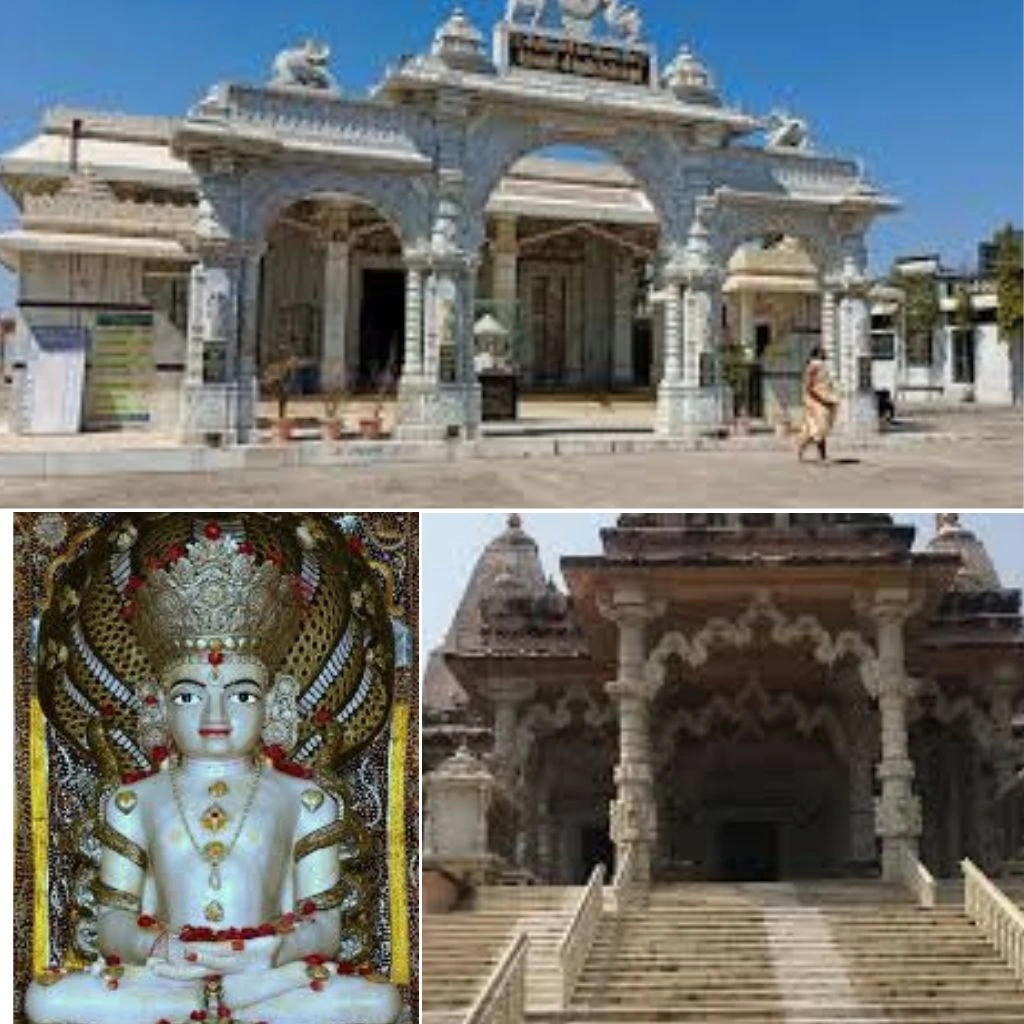
India is home to many ancient pilgrimage sites that hold deep religious and historical significance. Among them, Hinkar jain Tirth is a revered Jain pilgrimage destination that attracts devotees seeking spiritual peace and enlightenment.
The sacred site is closely associated with the teachings and spiritual journey of Lord Mahavira, the 24th Tirthankara of Jainism. Devotees visit Hinkar Tirth to meditate, perform religious rituals, and deepen their connection with Jain spiritual traditions.
Known for its peaceful environment and spiritual atmosphere ,Hinkar Tirth serves as an important place of worship for followers of Jainism.
Historical Background of Hinkar Tirth
The history of Hinkar Tirth is connected to the life and teachings of Lord Mahavira, who is regarded as the last and most important Tirthankara in Jain tradition.
According to Jain beliefs, Lord Mahavira traveled across many regions of India spreading the message of non-violence, truth, and spiritual liberation. During his spiritual journeys, several sacred places became associated with his teachings and meditation.
Hinkar Tirth is believed to be one such place where devotees gather to remember the principles of Jain philosophy and practice spiritual discipline.
Spiritual Significance of Hinkar Tirth
For followers of Jainism, pilgrimage sites play an important role in spiritual growth. Visiting sacred places like Hinkar Tirth is believed to help devotees purify their minds and strengthen their faith.
The spiritual importance of Hinkar Tirth includes:
- A place for meditation and self-reflection
- A sacred site associated with Jain spiritual heritage
- A destination for performing religious rituals
- A peaceful environment for spiritual learning
Many devotees visit the tirth to practice the teachings of non-violence (Ahimsa) and self-discipline, which are central principles of Jain philosophy.
Jain Philosophy and Teachings
The teachings of Lord Mahavira form the foundation of Jain philosophy. His teachings emphasize spiritual purity and ethical living.
Key principles include:
Ahimsa (Non Violence)
Non-violence toward all living beings is the most important teaching of Jainism.
Satya (Truth)
Followers are encouraged to always speak the truth and live honestly.
Aparigraha (Non Attachment)
This principle encourages people to reduce material desires and focus on spiritual growth.
Pilgrimage to sacred places like Hinkar Tirth helps devotees reflect on these values and apply them in daily life.
Architecture and Temple Complex
Like many Jain pilgrimage sites, Hinkar Tirth is known for its peaceful temple complex and spiritual atmosphere.
Typical features of Jain temples include:
- Beautiful marble structures
- Intricate carvings and sculptures
- Idols of Jain Tirthankaras
- Meditation halls for devotees
The calm surroundings allow visitors to focus on prayer, meditation, and spiritual reflection.
Festivals Celebrated at Hinkar Tirth
Several important Jain festivals are celebrated with devotion at pilgrimage sites such as Hinkar Tirth.
Mahavir Jayanti
This festival celebrates the birth of Lord Mahavira and is one of the most important occasions for Jain devotees.
On this day, temples organize:
- Religious processions
- Prayer ceremonies
- Spiritual discourses
Paryushan
Paryushan is one of the holiest Jain festivals dedicated to self-discipline, fasting, and spiritual purification.
Devotees visit pilgrimage sites and participate in prayers, meditation, and religious study.
Importance of Jain Tirths
In Jainism, a Tirth refers to a sacred place that helps devotees cross the spiritual path toward liberation.
Pilgrimage sites like Hinkar Tirth are considered spiritually powerful because they are associated with the lives and teachings of Jain Tirthankaras.
Visiting such places is believed to help devotees:
- Strengthen spiritual discipline
- Practice meditation and prayer
- Reflect on the teachings of Jainism
How to Reach Hinkar Tirth
Traveling to Hinkar Tirth depends on its regional location, but most Jain pilgrimage sites in India are accessible through major transportation routes.
By Air
Travelers can reach the nearest airport and continue the journey by road.
By Train
Many pilgrimage destinations are connected to major railway networks.
By Road
Road travel is often the most convenient way to reach Jain tirths, especially those located in peaceful or rural areas.
Visitors are advised to check local travel routes before planning their trip.
Best Time to Visit Hinkar Tirth
The best time to visit Hinkar Tirth is during cooler months when the weather is comfortable for pilgrimage and travel.
Many devotees also prefer visiting during major Jain festivals such as:
- Mahavir Jayanti
- Paryushan
These occasions offer a vibrant spiritual atmosphere with special prayers and ceremonies.
Travel Tips for Pilgrims
If you are planning to visit Hinkar Tirth, consider the following tips:
- Wear modest and respectful clothing
- Maintain silence and discipline inside the temple
- Follow Jain traditions and customs
- Avoid bringing leather items into temple premises
- Respect the peaceful spiritual environment
FAQs
What is Hinkar Tirth?
Hinkar Tirth is a sacred Jain pilgrimage site associated with Jain spiritual traditions and the teachings of Lord Mahavira.
Which religion considers Hinkar Tirth sacred?
The site is an important pilgrimage destination for followers of Jainism.
Why do devotees visit Hinkar Tirth?
Devotees visit the site for prayer, meditation, spiritual learning, and to honor the teachings of Lord Mahavira.
What festivals are celebrated at Jain pilgrimage sites?
Important festivals include Mahavir Jayanti and Paryushan, which are celebrated with prayers and spiritual activities.
Conclusion
Hinkar Tirth is a sacred destination for devotees seeking spiritual peace and connection with Jain traditions. Associated with the teachings of Lord Mahavira, the site reflects the timeless values of non-violence, truth, and spiritual discipline.
For pilgrims and spiritual seekers, visiting Hinkar Tirth offers an opportunity to step away from the distractions of everyday life and focus on inner peace, meditation, and self realization.
For more information you may visit tirth.com
Leave a Reply