Category: Mantra Collection

Explore a sacred collection of Hindu mantras with meaning, benefits, and chanting method. Find Surya, Shiva, Hanuman, Gayatri, and Devi mantras for daily prayer on Tirth.

  • Narsimha Mantra

    Narsimha Mantra

    There’s something both fierce and comforting about calling on Lord Narsimha. The Narsimha Mantra isn’t chanted casually; it’s whispered with trust the kind you feel when danger circles close, and you remember that divine protection still walks beside you. This mantra calls on Lord Narsimha that half lion, half man form of Lord Vishnu who appeared not in peace but in righteous fury, to protect what was good and to crush what was cruel. Chanting his mantra is said to bring strength, fearlessness, and a thick ring of divine defense around the one who believes.

    Narsimha Beej Mantra

    “Om Shri Lakshmi Narsimhaaya Namah”

    Meaning:

    This simple beej (seed) mantra carries immense energy. It’s said to burn obstacles before they even manifest whether they come from enmity, black magic, fear, or the shadow of untimely death. Regular chanting brings peace, steadiness, and protection that can only come from divine grace.

    Sankat Mochan Narsimha Mantra

    “Dhyaaye Nrisimham Tarunark Netrm, Sitaambujaatam Jwlitagrivaktram, Anadi Madhyantam Ajm Puraanam, Paraatpareshm Jagatam Nidhihaanam”

    Meaning:

    Meditate on Lord Narsimha his eyes glowing like the morning sun, his face lit with divine fire. He has no beginning or end, no birth or decay. In his light, all obstacles melt away. To dwell on his image is to remember that no shadow no fear, no injustice outlasts truth.

    Aapatti Nivarak Narsimha Mantra

    “Om Ugram Veeram Maha Vishnum Jwalantham Sarvato Mukham, Nrisimhham Bhishhanam Bhadram Mrityu Mrityum Namamyaham”

    Meaning:

    “I bow to the fierce and heroic form of Lord Vishnu blazing in every direction, both terrifying and auspicious. O Narsimha, death of death itself, I take refuge in You.” This mantra is one of the oldest and strongest protective chants in the Vaishnav tradition said to dissolve fear, protect against danger, and purify one’s path of misfortune.

    Narsimha Gayatri Mantra

    “Om Vajra Nakhaaya Vidmahe Teekshna Damshtraya Dheemahi, Tanno Nrisimha Prachodayat”

    Meaning:

    We meditate on the One with the thunderbolt nails and razor sharp fangs may Lord Narsimha awaken our wisdom, courage, and divine strength. It’s not just a prayer it’s a reminder that the rawest, fiercest forms of the divine still exist to protect the gentle heart.

    Sampatti Baadha Nashak Narsimha Mantra

    “Om Nrim Malol Narsimhaaya Puuray Puuray”

    Meaning:

    This one’s for removing financial blockages and stagnation basically, the kind of invisible heaviness that stops abundance from flowing freely.

    The Power and Presence of Lord Narsimha

    Lord Narsimha half man, half lion is the fourth incarnation of Lord Vishnu. His story isn’t about violence; it’s about balance. He appeared to protect his devotee, Prahlad a boy whose faith couldn’t be shaken by the cruelty of his own father, the demon king Hiranyakashipu. Narsimha roared into the world not from heaven, but from a pillar a symbol of how the divine truly is everywhere, waiting to break through when truth is threatened.

    He appeared at dusk at that strange hour that isn’t quite day, not yet night and fulfilled every loophole of the mighty boon Hiranyakashipu had demanded from Brahma. Not killed by man or beast. Not inside, not outside. Not in daylight, not in darkness. Not by weapon.

    And so, Vishnu came as something in between: part man, part lion. He lifted the tyrant onto his lap neither earth, nor sky and ended the cruelty with his claws alone. No weapon. Only divine justice.

    When you understand that, you start to see Narsimha isn’t just a destroyer. He’s the unshakable guardian of faith. He appears wherever innocence is cornered.

    How to Chant the Shri Nrisimha Mantra

    Evening’s the best time, they say that soft hour right before night, the same time Narsimha appeared.

    Take a bath, wear clean clothes. Set up the space with care place Lord Narsimha’s image or idol in the northeast corner, on a yellow cloth. Offer sandalwood paste to calm his fierce energy just as devotees have done for centuries.

    You can bathe the image with milk, Panchamrit, and then clean water that’s called abhishekam. Food offerings can include curd, butter, watermelon, sattu, and fresh fruits all cooling, calming items.

    Then sit down. Light a diya. Close your eyes. Begin the mantra slow, steady, rhythmic. Let your breath and words fall in step with each other.

    Why People Chant The Blessings

    When done with faith, people say Narsimha’s mantras transform you from the inside out.

    • They clear away fear even those quiet ones we don’t admit to anyone.
    • They burn negativity, block black magic and harmful intent.
    • They help with chronic illness and unhealthy patterns.
    • They reduce the grip of Kaal Sarp Dosh and malefic planetary effects.
    • They bring sudden growth in career, business, or recognition.
    • They strengthen wealth and stability.
    • And above all, they draw protection that feeling of unseen guardianship that follows you like a shield.

    A Few Things to Remember

    • Never chant without bathing purity of body and mind truly matters in his worship.
    • Pronounce each syllable with care. Rushing disconnects you from its vibration.
    • Avoid tamasic food alcohol, meat, heavy or stale meals especially during your practice period.
    • Don’t lie or carry resentment while chanting; the mantra responds best to honesty and humility.
    • Always show respect to elders and to the sacred energy you’re invoking.
    • And most importantly let go of anger. Narsimha doesn’t appear where rage lives. He comes to those whose hearts are strong but gentle.

    A Closing Reflection

    When you whisper Narsimhaaya Namah, you’re not asking for destruction you’re asking for courage, for protection, for the strength to face whatever life throws your way. Because sometimes, the divine doesn’t come as light or love sometimes it comes as fire, claws, and thunder.

    Surya Mantra , Maha Kaal Bhairav Beej Mantra

    Discover the power of the Sri Narsimha Mantra on Tirth.com and elevate your spiritual practice.
  • Maha Mrityunjay Mantra

    Maha Mrityunjay Mantra

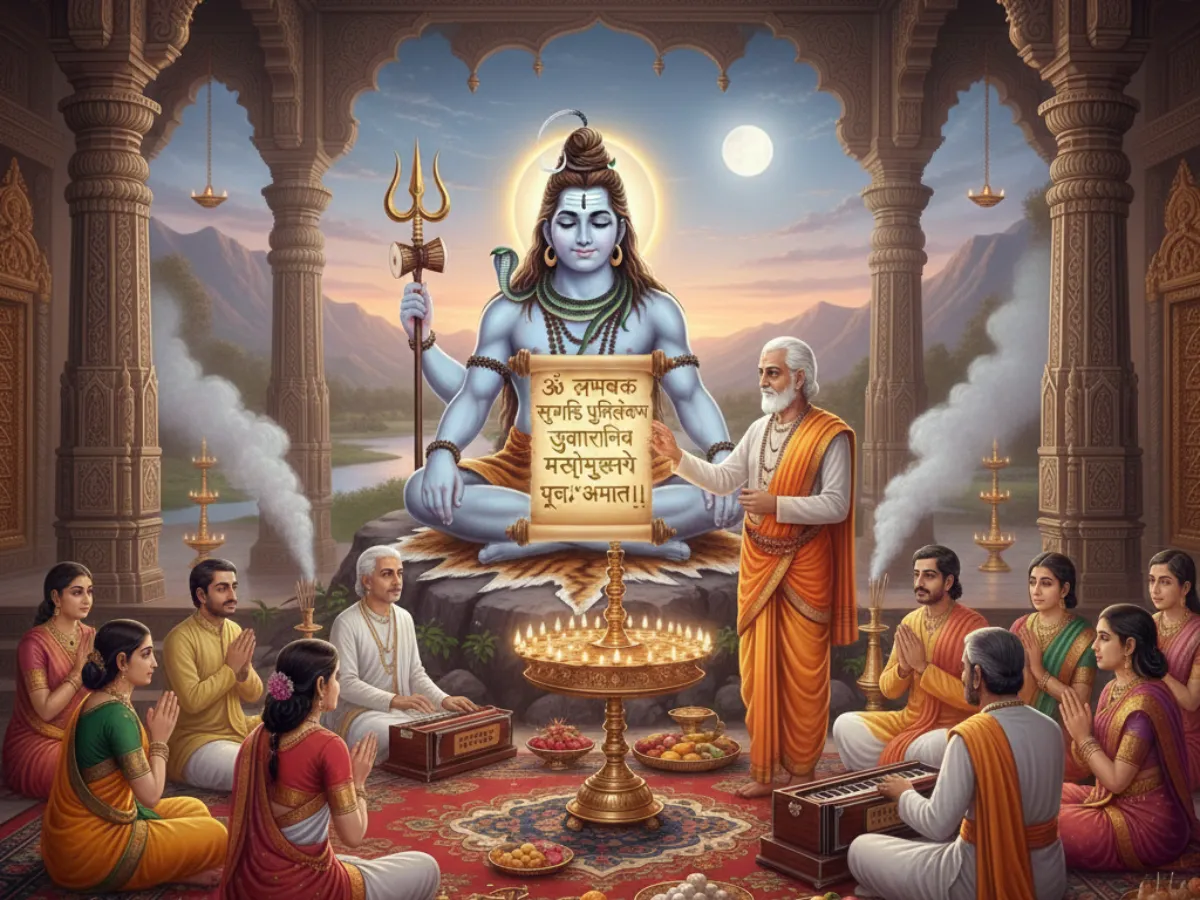
    There’s a reason this mantra has been whispered for thousands of years. It’s not just another chant it’s a lifeline. The Maha Mrityunjay Mantra is one of the most powerful invocations to Lord Shiva, known for his strength to heal, protect, and awaken the deepest layers of life itself. People chant it when they want courage in dark times, when they’re praying for someone’s recovery, or when they simply want to feel close to that eternal stillness Shiva represents.

    The Mantra

    Om Tryambakam Yajamahe Sugandhim Pushtivardhanam Urvarukamiva Bandhanan Mrityor Mukshiya Mamritat

    Meaning :


    We bow to Lord Shiva the three-eyed one, whose fragrance sustains creation, whose presence nurtures all that lives. O Lord, just as a ripe fruit slips free from its stem, may we too be freed from attachment, from fear, from the grip of death itself and find our way toward immortal peace.

    What Makes the Maha Mrityunjay Mantra So Special

    This isn’t just a mantra you recite mindlessly. It’s called the Tryambakam Mantra too, because it focuses on Shiva’s third eye that symbolic vision that sees beyond illusion. The mantra first appears in the ancient Rudrashtadhyayi of the Yajurveda, making it one of the most sacred sounds in existence.

    And here’s the part that always gets me: it’s often referred to as the Sanjeevani Mantra the “mantra that gives life.” People believe it can restore vitality when everything else seems lost. It’s whispered at hospital beds, during meditation, even before long journeys. It carries that vibration of “I’m not alone, I’m protected.”

    How to Chant It (The Old Way, The Right Way)

    If you’ve ever heard this mantra at dawn, you’ll know how its rhythm gently wakes the soul.

    • Find a quiet space maybe your prayer corner or anywhere that feels calm and clean.
    • Take a bath, wear fresh clothes, light a diya and some incense. Make the space sacred not fancy, just intentional.
    • Sit on a Kushasana or a mat (traditionally made of grass), facing the east or north.
    • Keep an image or yantra of Lord Shiva nearby. Having his presence even in the form of a picture helps anchor your focus.
    • If you have a Rudraksha mala, use it to count repetitions slow, steady, no rushing. The number 108 is traditional, but sincerity matters more than the count.
    • Before you begin, take a quiet moment to set your intention. It could be healing, peace, protection whatever your heart truly seeks. When the intention is clear, the mantra listens better.

    What Happens When You Chant It Regularly

    Something shifts. Not always instantly, but quietly like how night turns into morning without anyone noticing the exact moment.

    People say this mantra offers:

    • Protection from untimely death: It’s believed to create a shield of divine energy around you.
    • Healing and recovery: Those facing illness often chant or play this mantra for strength the kind medicine can’t measure.
    • Planetary balance: If someone’s suffering from harsh graha doshas (planetary disturbances), this mantra helps settle the energy.
    • Freedom from fear: Whether it’s fear of loss, failure, or even the unknown the vibrations calm the mind.
    • Peace at home: In families where tension refuses to leave, regular chanting brings emotional warmth and balance back.
    • Protection of wealth and stability: Many households chant it to strengthen financial stability and ward off misfortune.
    • Release from past burdens: It’s said that chanting helps cleanse old karma letting go of sins, regrets, and heaviness that you didn’t even realize you were carrying.

    Over time, the mantra starts living inside you. And even when you’re not chanting, a quiet echo remains guiding, guarding, grounding.

    A Few Simple Rules (And Gentle Reminders)

    • Always chant after bathing, with a clean body and calm mind.
    • Keep a diya burning the flame honors the fire element, Agni, which carries your prayer upward.
    • Sit in the same place every day if you can. It’s said the energy gathers there and grows with time.
    • Use a Rudraksha mala, and hold it in the Gau-mukhi (cow’s mouth) position pointing the bead toward your heart, not away.
    • Face east when possible. That’s the direction of light, beginnings, and clarity.
    • While you’re in a mantra practice, avoid harsh speech, alcohol, non-veg food, and unnecessary distractions. The mind needs clean space to listen.
    • Most importantly: never chant mindlessly. Mean it, even if your voice shakes.

    A Closing Thought

    The Maha Mrityunjay Mantra isn’t about escaping death. It’s about understanding that life itself is eternal that what we call “end” is only a pause in a much bigger rhythm.

    When you chant, feel it the way each syllable hums through your chest, the way silence stretches between breaths. That’s where Shiva lives not in a temple, but in that space between sound and stillness.

    Invoke Lord Shiva’s healing and protective grace through the Maha Mrityunjay Mantra. Explore authentic mantra jaap and Rudrabhishek on Tirth.com.

    Recommended Mantras:

    Surya Mantra , Maha Kaal Bhairav Beej Mantra

  • Maha Kaal Bhairav Beej Mantra

    Maha Kaal Bhairav Beej Mantra

    There’s a certain gravity in the name itself Maha Kaal Bhairav. You can almost feel it when you say it out loud. This mantra isn’t soft or delicate; it’s raw power. It’s a call to Lord Kaal Bhairav, the fierce protector, the one who burns away fear like dry leaves in the wind. People chant this mantra when they need strength that comes from somewhere deeper than muscles that unshakable courage that guards both mind and spirit.

    They say repeating this mantra keeps negative forces at bay, wipes out dark energy, and wraps you in a kind of invisible armor. It’s not about aggression, though it’s about safety, guidance, and having a steady flame when life gets chaotic.

    Maha Kaal Bhairav Beej Mantra

    Om Ham Sham Nam Gam Kam Sam Kham Maha Kaal Bhairavaya Namah

    This mantra is considered very powerful, and chanting it is believed to invoke the blessings of Maha Kaal Bhairav.

    Who is Maha Kaal Bhairav

    Maha Kaal Bhairav is not your gentle, meditative Shiva you see in peaceful temples. He’s time itself Maha Kaal means “the Great Time,” the force that devours everything eventually. Bhairav, on the other hand, means “the one who removes fear.” Together, they form this fierce but deeply compassionate presence the protector who doesn’t whisper wisdom, but roars truth.

    He’s the one who maintains balance in the universe cutting through injustice, ego, and the kind of darkness that thrives on ignorance. It’s said that when arrogance rises and morality starts losing ground, Maha Kaal Bhairav restores order, often fiercely, never passively.

    The Fierce Guardian-Lord Kaal Bhairav

    In many scriptures, Bhairav is described as a form of Lord Shiva, the one who emerged to protect righteousness when chaos took over. They call him Dandapani, because he carries a staff not for show, but as a reminder that actions have consequences.

    He’s the Lord who removes fear, but he’s also the one who insists on accountability. Which sounds intimidating until you realize he’s not punishing the pure-hearted; he’s protecting them. In Tantric tradition, he’s deeply revered for exactly that his ability to guard, to guide, and to grant spiritual fearlessness.

    About Lord Kaal Bhairav

    There’s a beautiful legend about him being the Kotwal of Kashi the divine guardian, the watchman of the sacred city of Varanasi. Before entering the temple of Kashi Vishwanath, devotees first stop by Baba Kaal Bhairav’s shrine. It’s a gesture of respect like checking in with the protector before seeking the Supreme.

    He was created by Shiva himself, they say, to destroy arrogance and protect cosmic balance. His presence doesn’t just protect against outer enemies but also the more subtle ones greed, pride, and fear that hide inside us.

    Kaal Bhairav temples are often found near Shakti Peeths places vibrating with divine feminine power. Worshipping him there is believed to burn away bad karma, cleanse one’s spirit, and open the gates of liberation (moksha).

    How to Chant the Maha Kaal Bhairav Beej Mantra

    First, cleanliness not just physical, but mental. Take a bath, wear simple clean clothes (some prefer black or red, depending on their tradition).

    Find a quiet corner. Light a lamp even a small one will do. Keep an image or idol of Lord Kaal Bhairav before you. If you have a Rudraksha mala, it’s perfect for this practice.

    Then, with full focus, start chanting. The number often mentioned is 108 times, but honestly, consistency matters more than count. Mornings and evenings, particularly during Rahu Kaal or just before midnight, are considered powerful times to invoke him.

    And while chanting, try not to rush. Let the words settle. Feel their vibration. You’re not merely repeating you’re resonating with that fierce protective energy.

    The Blessings and Benefits

    People who’ve made this mantra a part of their routine often describe the same thing: an unexplainable calm in the face of chaos.

    • It shields you from negative energies and people who wish you harm.
    • Fear starts losing its grip even the subtle kind, like anxiety or self-doubt.
    • The mind begins to feel lighter, less cluttered.
    • Courage grows, not in a loud, dramatic way, but quietly like roots strengthening underground.
    • You begin noticing stability emotional, financial, even spiritual.

    Stand fearless under Maha Kaal Bhairav’s protection. Explore authentic Beej Mantra jaap and Bhairav puja on Tirth.com.

    Recommended Mantras:

    Surya Mantra

  • Surya Mantra

    Surya Mantra

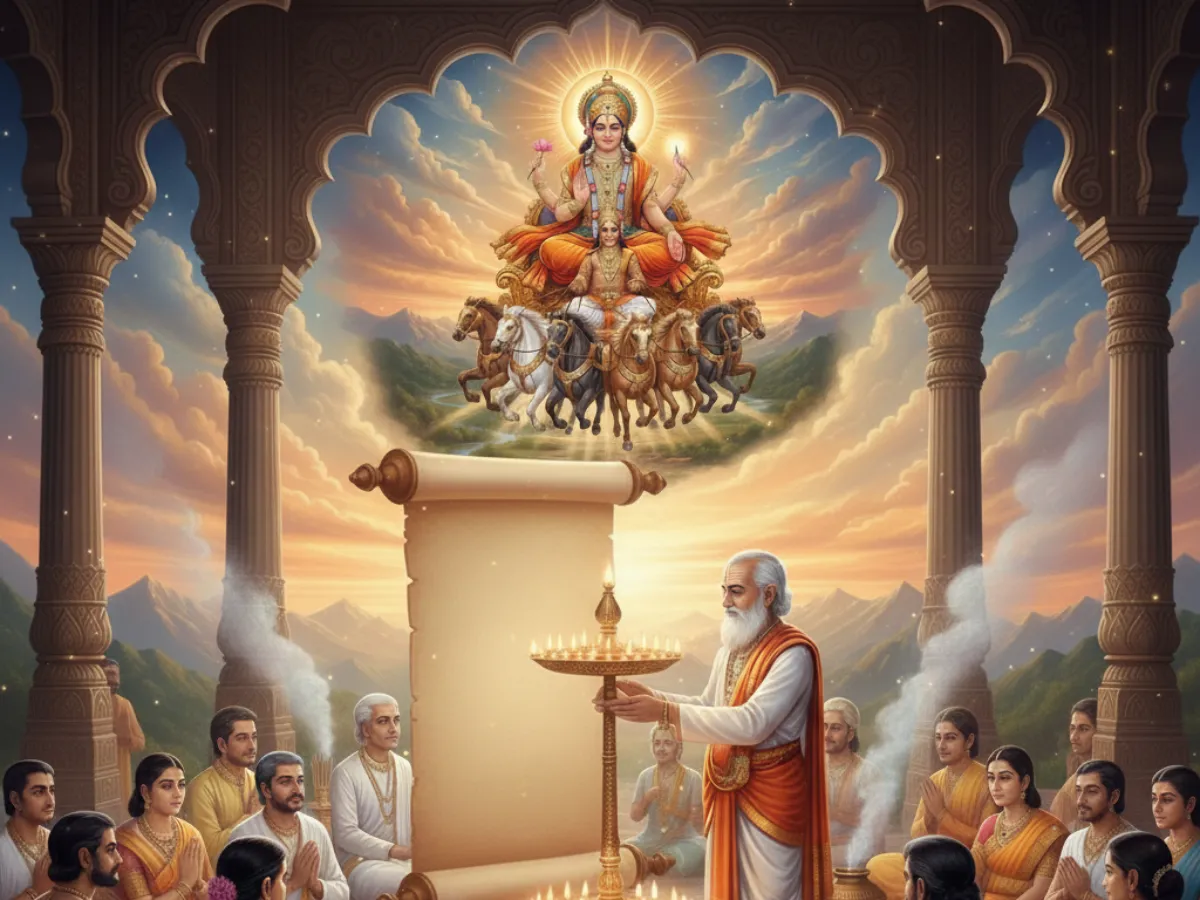
    You know, there’s something quietly powerful about greeting the morning sun not just looking at it, but really connecting with it. The Surya Mantra is one of those old prayers that’s not just words, it’s a way of tuning yourself to light. People say chanting it brings strength, confidence, and this invisible glow that somehow spills into your day.

    Lord Surya or Surya Dev, as most call him isn’t just the sun up there. He’s the giver of energy, the spark behind life itself. Praying to him kind of wakes your inner rhythm gives you clarity when things feel fuzzy and the discipline to carry through on days when motivation just won’t show up.

    Aditya Hridayam

    Mantra:” Adityahridayam punyam sarvashatravinashanam Jayavaham japa nityam akshayam paramam shivam

    Meaning :

    This is the heart of the mantras for Surya. People believe it clears fear and burns away negativity like sunlight pushing shadows back. When you chant it often, it strengthens your resolve; it reminds you that courage isn’t the absence of fear, but moving forward anyway. Over time, it starts shaping your confidence, faith, and that quiet belief that you can handle what life throws at you.

    Om Hreem Ravaye Namah

    Meaning :

    Some folks like to chant this one just as the first rays hit their face the moment when the world is soft and half-awake. They say it keeps the body strong, helps with circulation, and generally keeps you feeling healthier from the inside out. It’s simple, but it works if you believe and do it with sincerity.

    Om Hum Suryaya Namah

    Meaning :

    You chant this as the sun rises and there’s something calming in that moment. It’s supposed to bring peace of mind, release a bit of the heaviness we all carry. People who practice regularly say it helps them feel more centered, like they’re ready to take on whatever the day brings.

    Om Hram Bhānave Namah

    Meaning :

    This one’s about building inner energy what’s called ojas in old Sanskrit texts. Think of it as vitality, both physical and emotional. Regular chanting can help balance your body and strengthen you from within.

    Om Hrom Khagaye Namah

    Meaning :

    Honestly, this is a great one for focus and mental clarity. If your mind’s been all over the place scattered thoughts, stress, too much noise this chant helps reel everything back in. It’s said to light you up from the inside, to sharpen both intelligence and confidence.

    Understanding Lord Surya

    Surya Dev isn’t just another deity to be worshipped; he’s life itself. Without his warmth, nothing moves, nothing grows. He’s seen as the soul of the universe representing self-respect, willpower, leadership, and that inner drive that pushes you forward even when things are tough.

    When the Sun is strong in someone’s life (astrologically speaking), they tend to glow not just literally, but in how they lead, how people notice them, how they hold themselves. Surya brings stability, fame, and that quiet kind of success that doesn’t need much noise.

    Sundays are his day. A lot of devotees wake up early, face the morning sun, and chant Surya mantras. It’s a practice of gratitude, more than anything. Also worth noting: Surya Dev is said to be the teacher of Lord Hanuman which might explain why worshipping him is connected with strength and wisdom.

    People often offer wheat, jaggery, copper, or red clothes simple ways to show devotion. And of course, performing Arghya offering water to the rising sun is almost a ritual of love and respect.

    How to Chant the Surya Mantra

    There’s a rhythm to it, and over time your body learns it naturally. But if you’re just starting out:

    • Take a bath early it’s symbolic, washing off sleep and yesterday’s energy.
    • Wear something clean or white, something that feels light.
    • Face east, toward the rising sun. Hold a small pot or cup of water and pour it slowly as you chant, “Om Ghrini Suryaaya Namah.”
    • Some people like adding red flowers or a few grains of rice or mishri (tiny sugar crystals) into the water.
    • Light a lamp if you can, maybe incense. Then, just sit for a bit. Let the sunlight touch your face.
    • Focus. Breathe. Chant quietly, with intention.

    Why People Chant

    It’s not superstition it’s more like building a habit of light. Over time, it really can transform how you feel.

    • It helps clear obstacles, those unnecessary delays in life that seem to clog things up.
    • You start feeling more positive, more in control of your emotions.
    • For students, it’s said to boost focus and memory.
    • It naturally helps with career success and public respect something about embodying that solar energy, you know?
    • And when anger or stress start boiling over, chanting this mantra can cool things down in ways meditation often can’t.

    It’s also a path toward self-discipline which, ironically, feels freeing once you get the hang of it.

    A Few Simple Reminders

    • Take a bath first. Always start clean body and mind.
    • Keep thoughts steady; don’t chant in a rush or while scrolling your phone.
    • Avoid negative talk or anger around this time.
    • The early morning, right at sunrise, is the best window.
    • Try not to eat before chanting.
    • Pronounce each word clearly, no hurry.
    • Keep your heart, your food, and your actions as pure as you can manage.

    Rise with strength and clarity through Surya Dev’s grace. Explore authentic Surya Mantra and puja on Tirth.com.

    Recommended Mantras:

    Brihaspati Grah Mantra , Rudra Mantra , Krishna Mantras