
Kashi is an ancient city recognized as a spiritual epicenter in India. As a pilgrim, you may have questions such as: where are the spiritually uplifting destinations? How will I navigate the crowds? How will I connect with the devotion? Kashi answers most of this through its age old rituals, geographies, and traditions, as you demonstrate faith by traveling to this holy city. With a steady approach, the fears of the unknown are shifted to trust, faith, and reverence.
Devotion Flows Like the Ganges
When you think of spiritual places in India, Kashi is undoubtedly a name that comes to mind. This is one of the most valued places in terms of devotion in the whole country. The faith and history here is rooted so deep that it becomes part of the daily practice and life. Kashi is not a city to visit just for the sights and attractions. This is a holy place to sit by the river and reflect, to connect with oneself. The spiritual heart of Kashi lay with the Ganges river, where devotion will be present from dawn to dusk.
Kashi Vishwanath Temple as the Spiritual Anchor
Kashi Vishwanath temple is at the very center of the city and is the most important shrine dedicated to Lord Shiva as Vishweshwara, the Lord of the Universe, who signifies eternity, direction, and liberation. Among all the places to visit in Kashi, the temple is most revered and significant among the devotees who are seeking to attain the divine blessings related to life, death, and the continuity of the two.
Most devotees who come to the temple have the same worries: How do I manage the large number of people who will be there? How do I manage my entry? How do I manage the time I have? The best way to do all of this is to have a managed ‘Pooja’ so that the main focus of the visit can be on prayer rather than managing the ‘Pooja’.
The Spiritual Experience
The atmosphere of devotion is accompanied by the sound of restless devotees expressing their devotion through the sounds of the bells and other offerings. Attention to devotion can be achieved by the elements described above. The silence of inaction is the ultimate inner stillness.
The temple is a source of the sacred eternal. For centuries the same traditions have been practiced without failure.
The Spiritual Experience The Prayer
The prayer is the source of deep inner tranquility. Most people leave the temple feeling a deep sense of inner calm. Most people leave the temple feeling deep inner calm.
Living Symbols of Spirituality
Fires of devotion and the Ganga Aarti Ceremony of Dashashwamedh Ghat
Because of the Ganga Aarti Ceremony at Dashashwamedh Ghat, it is among the most renowned.
With the Ganga Aarti Ceremony, devotees and non devotees are able to participate in the same spiritual experience.
Because of the fire lamps, and the Ganga Aarti Ceremony at Dashashwamedh Ghat, it is among the most renowned.
Seating arrangements and respectful behavior are primary concerns. Silence during certain practices, keeping appropriate space, and adhering to instructions given locally helps to ensure positive participation.
Reflective Practices and Assi Ghat
Assi Ghat is ideal for those wanting to engage spiritually with more simplicity and in a less active manner. It provides a serene atmosphere for practices like morning yoga and group sadhana. It is the most unique among the ghat’s in kashi in terms of a devotion and reflection.
Visiting in the morning is particularly beneficial as it provides both contemplation and a less crowded experience.
Temples That Foster Inner Strength
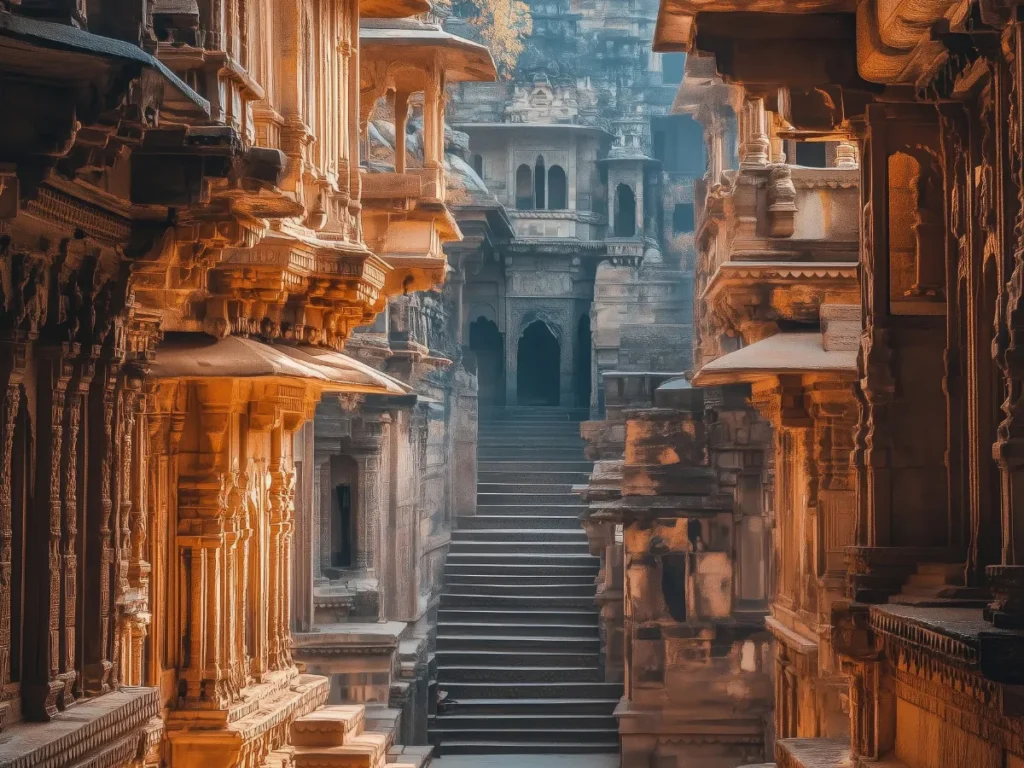
Sankat Mochan Hanuman Temple
This temple is a site of devotion and culture. Many people go to this temple for relief from mental, emotional, and spiritual burdens.
Main features include:
- Worship that is simple and encourages self effacement.
- Focus and discipline that is promoted by the environment.
- Emotional and mental assurances through prayer and trust conferred by the environment.
Shakti Worship and Durga Kund Temple
Durga Kund Temple epitomizes the divine feminine. Strength, protection, and balance are the attributes the red architecture and ritual discipline of the temple invoke. For its spiritual presence and artistic likeness, this temple is among the kashi places to see and is often included in the itinerary.
Spiritual Flow and Sacred Streets
The streets connecting Chowk and Vishwa Nath Gali are the strands that weave Kashi together. The daily devotion of the shrine, the incense, the flowers, and the music of devotion.
Walking around the paths of the site helps the visitors experience how the integration of faith into everyday life happens. These spaces can attract visitors looking for kashi for places to see outside of the primary attractions.
Common Visitor Challenges
Traveling to the site brings to the visitors emotions and practical problems that are interconnected. The presence of crowds, the exhaustion of walking, the pressure of time, and the unfamiliar customs tend to diminish the quality of the experience.
Some of the challenges that visitors will face include the following:
- Feeling rushed between multiple stops
- Walking for long distances
- Not knowing when and how to engage in the rituals
- Struggling to rank the sacred and meaningful places
The experience will be better when there is proper planning and thoughtful selections.
Practical Tips for a Meaningful Visit
Travel and Time Management
- Engage more deeply with fewer places
You will experience better the quality of the site by choosing and focusing on fewer places. - Start the day early
You will be able to engage and reflect better in the early hours when there are less people.
Your Mind and Body
- Dress in light, loose fitting, and modest clothing
You will be more comfortable and culturally respectful. - Bring and drink water and take breaks
You will think more clearly when you are comfortable.
Engagement in the Rituals
- Watch others participate in the rituals before you take part in them
This will help you to not feel confused and will help you feel more comfortable. - Patiently do what you are instructed to do by the temple staff
When you cooperate with the temple staff, you will be able to access the rituals more smoothly.
This is the experience the visitors will have when they travel to kashi.
Spiritual Learning Through Presence
Kashi provides lessons that go beyond the architecture and the ceremonies. Sitting quietly at a ghat, listening to chants, or watching daily rituals can provide one more insight and reassurance. These helpful moments take the visitor from mere observation to full participation.
Those exploring Kashi’s notable sites gain from the beneficial practice of slowing down and allowing the tempo of the city to lead the experience.
Creating a Balanced Spiritual Itinerary
A balanced itinerary connects the temples, ghats, and stretches of rest in a way that flows.
A suggested structure would include:
- A) Morning temple visits by the river
- B) Lunchtime rest and reflection
- C) Evening participation in aarti ceremonies
- D) Gentle strolls through the sanctified lanes
This itinerary flow maintains balance, decreases fatigue, and enhances spiritual concentration.
Reassurance Through Guided Support
Visitors often use the support of planning in order to feel assisted and educated. Guided Structures support tiered attentiveness, and keep sacred spaces from becoming overwhelming.
In our case, we have noted how the value of preparation decreases apprehension, eliminates ambiguity, and increases the potential for engagement.
A Final Word of Faith and Guidance
Kashi is, and always will be, a living spiritual space. It’s essence is faith, and the continuity of discipline. It is the temples, the ghats, the streets, and the way of enduring faith and the patience of the visitor. It is the waiting, the watching, the listening, the walking, and the supporting.
We provide guidance and support for planning respectful visits to spiritual locations in Kashi. Our team at Tirth is available for consultations and offers clarity. With this guidance, each seeker can deeply and meaningfully experience Kashi.
For more context and related guides, refer to Tirth.com
Leave a Reply