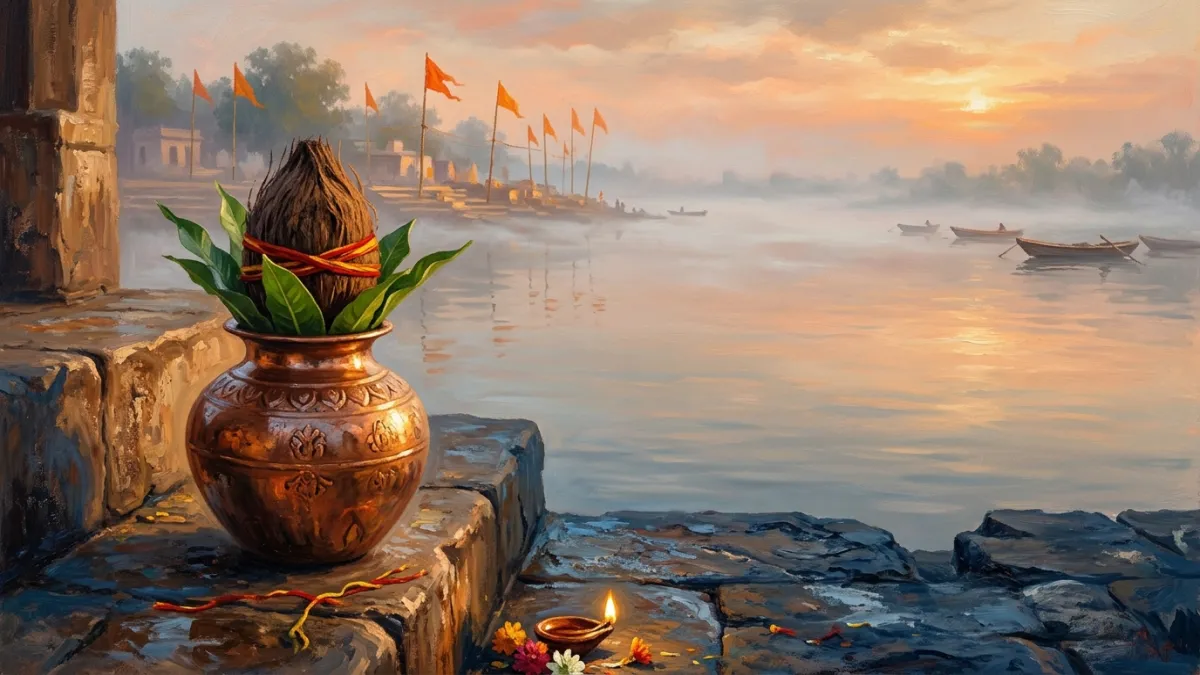
Government papers called the 2013 mela at Prayagraj a Maha Kumbh. Twelve years on, the 2025 mela there carried exactly the same name, and that is where most of the muddle over the Kumbh names starts.
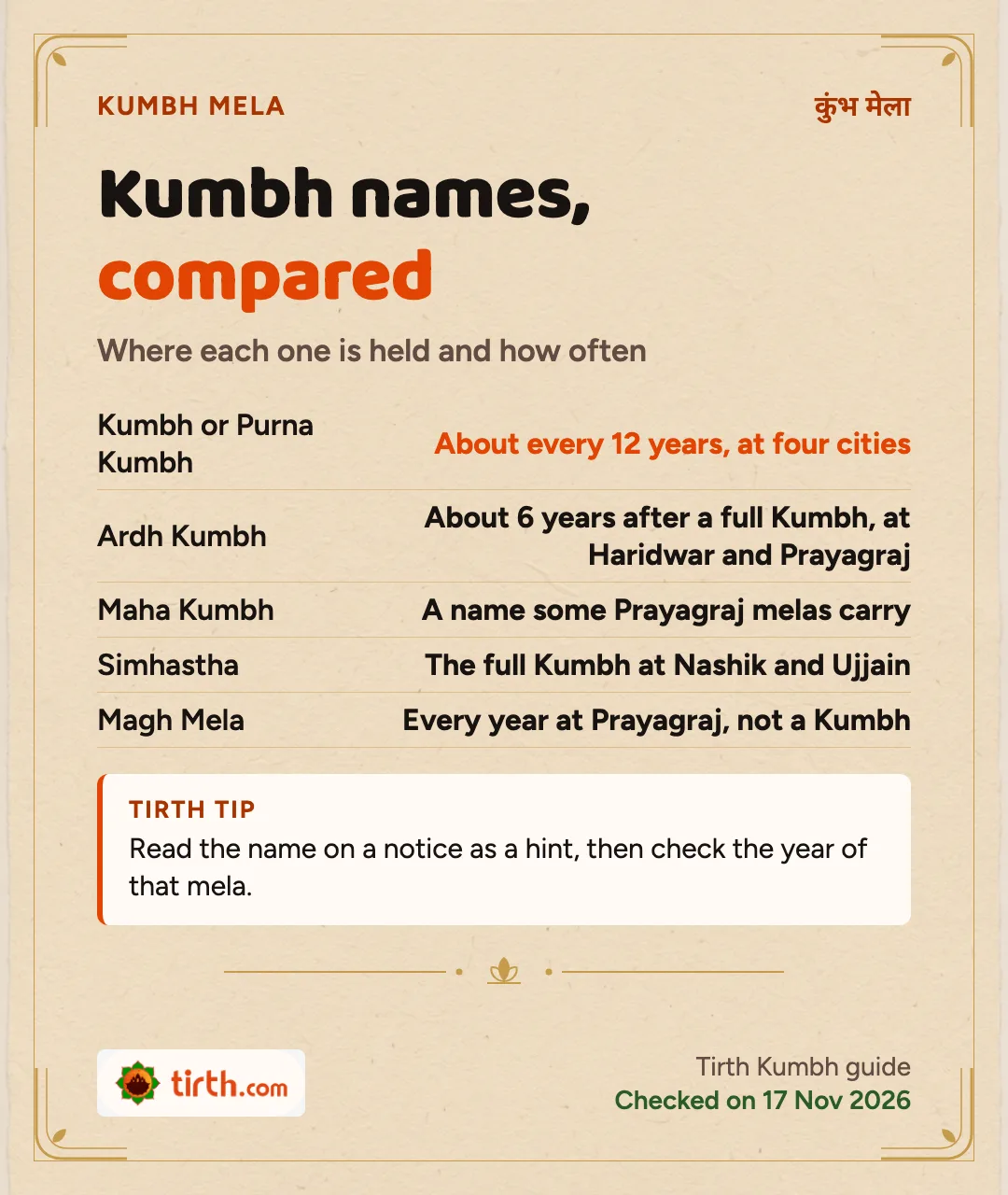
Of the types of Kumbh Mela, the Kumbh itself, sometimes called the Purna Kumbh, is the full mela that Prayagraj, Haridwar, Ujjain and Nashik each hold about every 12 years. The Ardh Kumbh comes roughly six years after a full one, at Haridwar and Prayagraj only. Maha Kumbh is an honorific for some Prayagraj melas, and at Nashik and Ujjain the full Kumbh goes by a local name, Simhastha.
No single official definition covers all of these words. State governments have used them one way for one mela and another way for the next. Read the name on a notice as a hint about where that mela falls in the cycle, then check the year itself.
What each Kumbh name means, in one table
Newspapers, akharas and state governments each bend these names a little differently, so read the table as common usage.
| Name | What it usually means | How often | Where | Recent or next example |
|---|---|---|---|---|
| Kumbh or Purna Kumbh | The full mela (“Purna” means full, so it describes a Kumbh, it is not a separate event) | About every 12 years at each city | Prayagraj, Haridwar, Ujjain, Nashik | Haridwar 2021 |
| Ardh Kumbh | The mela about six years after a full Kumbh (“Ardh” means half) | About six years after a full Kumbh | Haridwar and Prayagraj only | Haridwar 2027 |
| Maha Kumbh | An honorific for some Prayagraj melas | Not fixed (see the 144-year question below) | Prayagraj | The most recent was 2025 |
| Simhastha | The local name for the full Kumbh, from Jupiter in Simha (Leo) | About every 12 years | Nashik-Trimbakeshwar and Ujjain | Nashik, opened in 2026; Ujjain 2028 |
| Magh Mela (not a Kumbh) | A yearly bathing fair in the month of Magha | Every year, about January to February | Prayagraj | Every year |
Each city has its own river. Haridwar sits on the Ganga, Ujjain on the Shipra and Nashik on the Godavari, while Prayagraj stands where the Ganga, the Yamuna and the Sarasvati meet. In 2017 the Kumbh Mela joined UNESCO’s list of the Intangible Cultural Heritage of Humanity. Its entry has the festival rotating between these four cities every four years, so a mela turns up somewhere every few years even though each city waits about twelve for its own full Kumbh.
Is a Kumbh always 12 years apart?
Drops of Amrit fell at Prayagraj, Haridwar, Ujjain and Nashik while the ocean was being churned, according to the Samudra Manthan story. The Press Information Bureau, in a Government of India explainer dated 26 February 2025, gives that same story as the origin of the four sites and adds that the timing rests on where the Sun, the Moon and Jupiter stand.
Jupiter needs about 11.86 Earth years (4,332.6 days) for one trip round the Sun. That is a little short of 12, and the shortfall is why careful writers say “about every 12 years” instead of “every 12 years”. The gap between two melas at one city is not always exactly twelve.
Haridwar shows the gap at work. Its Kumbh came in 2010 and next in 2021, eleven years later rather than in 2022. The earlier year was chosen on astrologers’ advice, reports say, since the configurations the mela needs, the Sun entering Aries and Jupiter entering Aquarius, were both available in 2021.
On the melas either side of today, the names fall like this.
| Year | City | Name used | Note |
|---|---|---|---|
| 2021 | Haridwar | Kumbh | Held 11 years after 2010 |
| 2027 | Haridwar | Ardh Kumbh | Uttarakhand government and the Akhara Parishad |
| 2028 | Ujjain | Simhastha | The local name for the full Kumbh |
Is an Ardh Kumbh a lesser mela?
An Ardh Kumbh is not a lesser mela, because the half in its name is about time. At Haridwar and at Prayagraj an Ardh Kumbh falls roughly midway between two full Kumbhs, which each of those cities holds about every 12 years. The word marks the distance from the last full mela. About the river, the snan (the ritual bath) or the akharas, the orders of sadhus whose processions lead the bathing days, it tells you nothing.
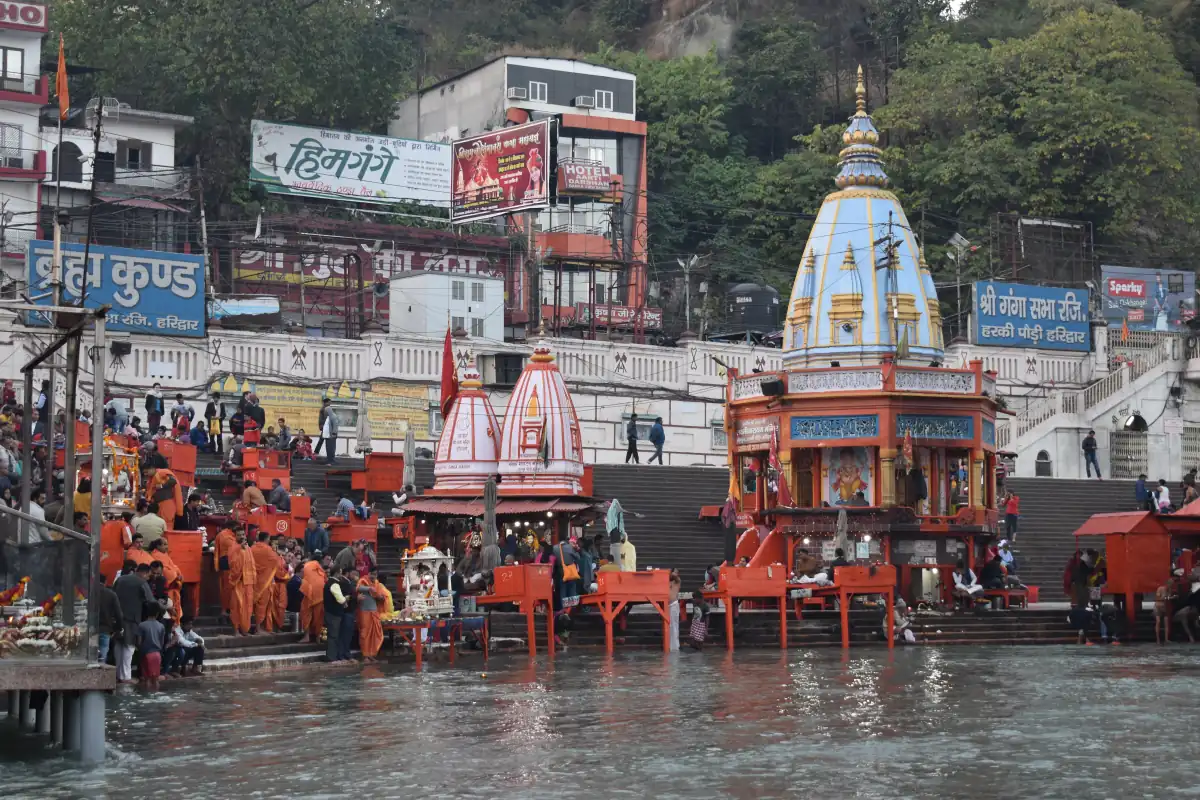
Haridwar 2027 is a good case. It was the Chief Minister of Uttarakhand who declared it the Ardh Kumbh, in November 2025, after a meeting with the 13 akharas. The Akhara Parishad uses that name too. By press reports, it runs from mid-January to April 2027. Our piece on the akharas at Haridwar 2027 goes through the akharas that will lead the processions, one by one.
Prayagraj has wrestled with the label as well. The Uttar Pradesh Chief Minister announced in December 2017 that the 2019 mela, the six-year one, would carry the name “Kumbh” rather than Ardh Kumbh. The place and the rhythm stayed as they were, and only the label moved.
Someone may have told your parents that Haridwar is “only an Ardh”. Show them this section before they decide.
Where does the 144-year Maha Kumbh figure come from?
From the official publicity of 2025. In the words of the Press Information Bureau note, the Maha Kumbh is held “once every 144 years at Prayagraj”, and the Uttar Pradesh government and the Akhil Bharatiya Akhara Parishad promoted the 2025 mela on that basis.
On the date of the previous one, the records part ways. Count back a strict 144 years from 2025 and you land on 1881, yet Uttar Pradesh government guidelines and an audit by the Comptroller and Auditor General both called the 2013 Allahabad mela a Maha Kumbh. The Prayagraj district website, too, names 2013 as the most recent Maha Kumbh, and that fits a twelve-year rhythm rather than a 144-year gap.
The official 2025 Maha Kumbh website speaks of a mela held every twelve years. It never mentions 144.
At home, the plain answer is that the 144 years comes from tradition and from official publicity, and that the records do not agree on the last Maha Kumbh. The honorific itself belongs to Prayagraj. For why the name keeps landing there, read our story on why Prayagraj is the main Kumbh city.
Why Nashik and Ujjain call it Simhastha
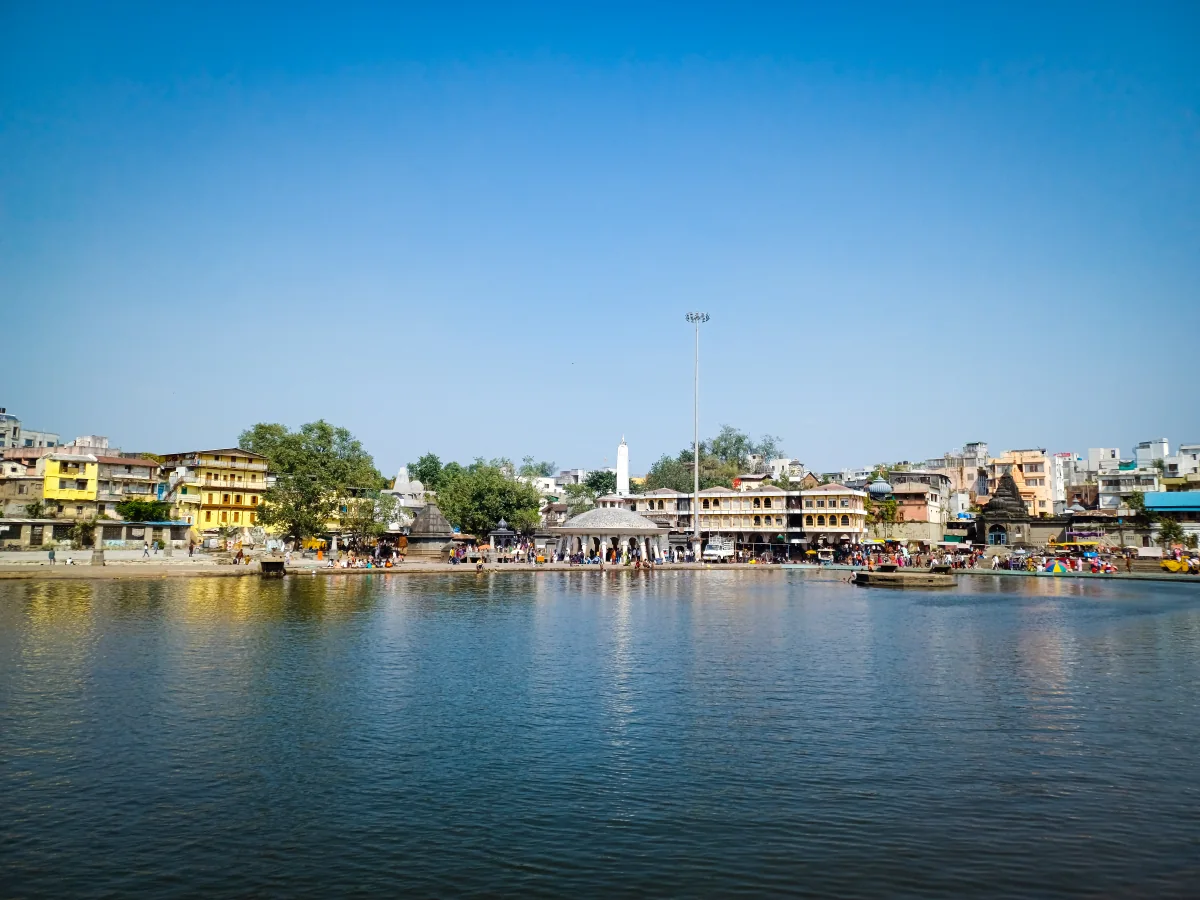
Nashik-Trimbakeshwar, on the Godavari, and Ujjain, on the Shipra, hold their full Kumbh when Jupiter is in Simha, the sign of Leo, and both cities call that mela the Simhastha. It is the full Kumbh under a local name.
The Simhastha at Nashik-Trimbakeshwar began with flag hoisting on 31 October 2026. At Ramkund in Nashik it was the President who hoisted the flag, while at Kushavarta Tirtha in Trimbakeshwar the honour went to the Chief Minister of Maharashtra. Official notices fix the bathing days. For Nashik, see our Nashik Simhastha planning guide and what sets Nashik’s Kumbh apart.
Ujjain’s last Simhastha was in 2016, and the next is due in 2028.
Where the Magh Mela fits in
It is not a Kumbh on its own. Prayagraj holds the Magh Mela every year, in the month of Magha, about January to February. In a Kumbh year the two run together there. Our Magh Mela at Prayagraj guide shows what an ordinary Magh Mela year looks like on the ground.
Which mela should your family plan for?
Three melas are in view right now.
- Haridwar in 2027, for the Ardh Kumbh on the Ganga. Our Ardh Kumbh Haridwar 2027 guide is the place to begin.
- Nashik-Trimbakeshwar, open since October 2026 for the Simhastha on the Godavari.
- Ujjain in 2028, for the Simhastha on the Shipra.
Our Kumbh Mela 2027 overview sets Haridwar and Nashik side by side, which helps if you are weighing the two for the same year. Pick by the river and the city your family feels tied to, and by the year your parents can travel. Book after the official notice, and take the bathing days only from it.
KumbhMela.info keeps the full reference, with every name, notice and official date in one place.
Frequently asked questions
Is Ardh Kumbh less important than Maha Kumbh?
No. Half, which is what “Ardh” means, refers to the mela’s place in the cycle, roughly six years after a full Kumbh at Haridwar or Prayagraj. Haridwar 2027 carries the Ardh Kumbh name from both the Uttarakhand government and the Akhara Parishad.
Is Maha Kumbh every 144 years?
That is what the Government of India’s 2025 note says, though the records do not agree on when the previous one was held. A strict count lands on 1881, while government papers gave the 2013 Prayagraj mela the Maha Kumbh name too.
Where is Ardh Kumbh held?
At Haridwar and Prayagraj alone, whose full Kumbhs fall about six years apart. In Nashik and Ujjain the Simhastha takes that place.
What is Simhastha?
When Jupiter is in Simha (Leo), Nashik-Trimbakeshwar and Ujjain hold their full Kumbh and call it the Simhastha. Nashik’s began on 31 October 2026. Ujjain’s is due in 2028.
When is the next Kumbh Mela?
Reports put the Haridwar Ardh Kumbh from mid-January to April 2027. The Nashik-Trimbakeshwar Simhastha is open already, and Ujjain follows in 2028.
Is Magh Mela a Kumbh?
No. Prayagraj holds it every year in the month of Magha, about January to February, and only in a Kumbh year does it coincide with the Kumbh.
Continue on Tirth
- Haridwar Ardh Kumbh 2027, the planning guide for the next mela on the Ganga.
- Nashik-Trimbakeshwar Simhastha, bathing days and planning as they are notified.
- Tirth Spiritual Calendar, dates for your city.
- Tirth yatra packages, for stays, travel and darshan.
Leave a Reply