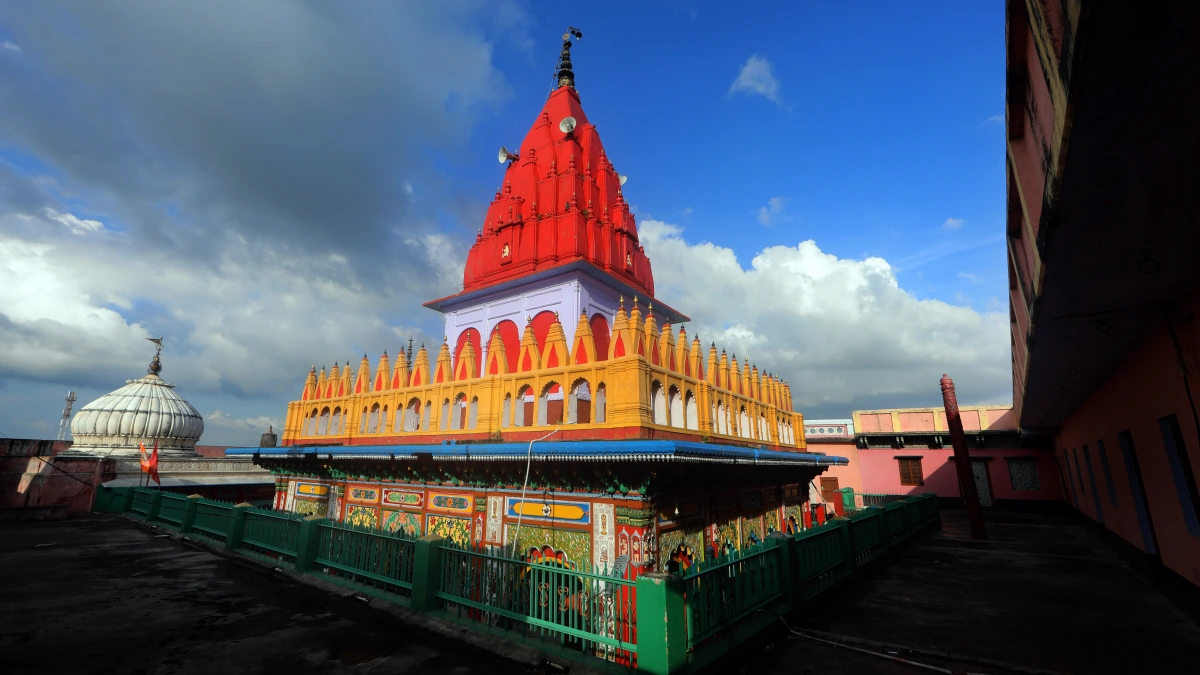
Somewhere between tying shoelaces outside a dharamshala and reminding a child to lower their voice near a shrine, an Ayodhya family trip quietly becomes something else. Not a vacation. Not even just a pilgrimage. More like a shared pause.
You don’t arrive in Ayodhya to conquer it. Nobody does. The city has its own pace, and if you fight it, you’ll feel tired very quickly. But if you let it lead? Things soften. Conversations slow down. Even the kids stop asking, “Are we done yet?”
This guide isn’t here to rush you or impress you with lists. It’s here to help families move through Ayodhya without friction with enough planning to stay comfortable, and enough space to feel something real.
Why Ayodhya Feels Right for a Family Trip
Ayodhya doesn’t shout. That’s the first thing people notice, even if they don’t say it out loud.
Part of what makes an Ayodhya family trip work so well is how the city is built emotionally, not just physically.
Ram Mandir Darshan With Family
Tirth’s Ram Mandir page lists ramps, lifts and facilities for the elderly, and asks visitors to dress modestly and follow the temple authorities’ guidelines.
Tell children the story of Bhagwan Ram beforehand, even briefly.
Ram Mandir darshan doesn’t reward speed. It rewards patience.
Family Friendly Temples in Ayodhya
Ayodhya doesn’t insist you do everything in one breath. Thank goodness.
Beyond Ram Mandir, there are temples that fit beautifully into a slower, family friendly rhythm. Plan a short rest between visits. Let elders rest and children observe.
The Ayodhya district administration says Hanuman Garhi is believed to be where Hanuman ji lived, guarding Ayodhya. It describes Kanak Bhawan as the palace of Bhagwan Ram and Maa Sita. Nageshwar Nath Temple adds a different spiritual texture altogether.
Spacing these visits across the day matters. It keeps bodies comfortable and minds present. No one enjoys darshan when they’re exhausted not elders, not children, not even adults pretending they’re fine.
By the Saryu in the Evening
If Ram Mandir is the heart of an Ayodhya family trip, the river Saryu is the breath.

Planning a Gentle Ayodhya Itinerary
Overplanning tires a family quickly in Ayodhya.
Trying to squeeze too much into one day usually leads to tired faces and short tempers. A family friendly itinerary works best when it mirrors the city’s rhythm.
Mornings suit temple visits. Afternoons ask for rest maybe a short walk, maybe nothing at all. Evenings belong to a quiet time by the Saryu or a calmer temple visit.
Two days gives most families more room than one.
Practical Travel Tips for Families
Comfort over speed. Always.
Carry water. Keep light snacks handy. Avoid peak afternoon heat if you can. And yes, explain temple etiquette to children beforehand not as rules, but as stories. They respond better that way.
Build buffer time between visits. Things will take longer than you expect, and that’s okay. Ayodhya rewards patience far more than efficiency.
Slow down. The city will meet you there.
Helping Children Connect With Culture
Children don’t need lectures. They need entry points.
Share Ramayana stories before visits. Explain rituals simply, without pressure. Let them ask questions. Let them watch the aarti instead of pulling them away.
Ayodhya teaches best when it’s allowed to be experienced, not explained.
Best Time to Visit Ayodhya With Family
Weather matters more than people admit.
As of November 2026, Uttar Pradesh State Tourism names October to March as the best time to visit Ayodhya. From April to June the heat can reach 47°C, so plan visits for early morning and evening.
Festival days are busier, so if you travel then, prepare mentally, pack patience, and adjust expectations. Ayodhya during festivals is powerful but it asks more from families.
A Quiet Closing Thought
Ayodhya doesn’t ask families to rush. It asks them to arrive.
More on Ayodhya on Tirth.com.
Leave a Reply