Uncategorized
-
Kaal Sarp Dosh Kya Hai? Meaning, Texts and Different Views
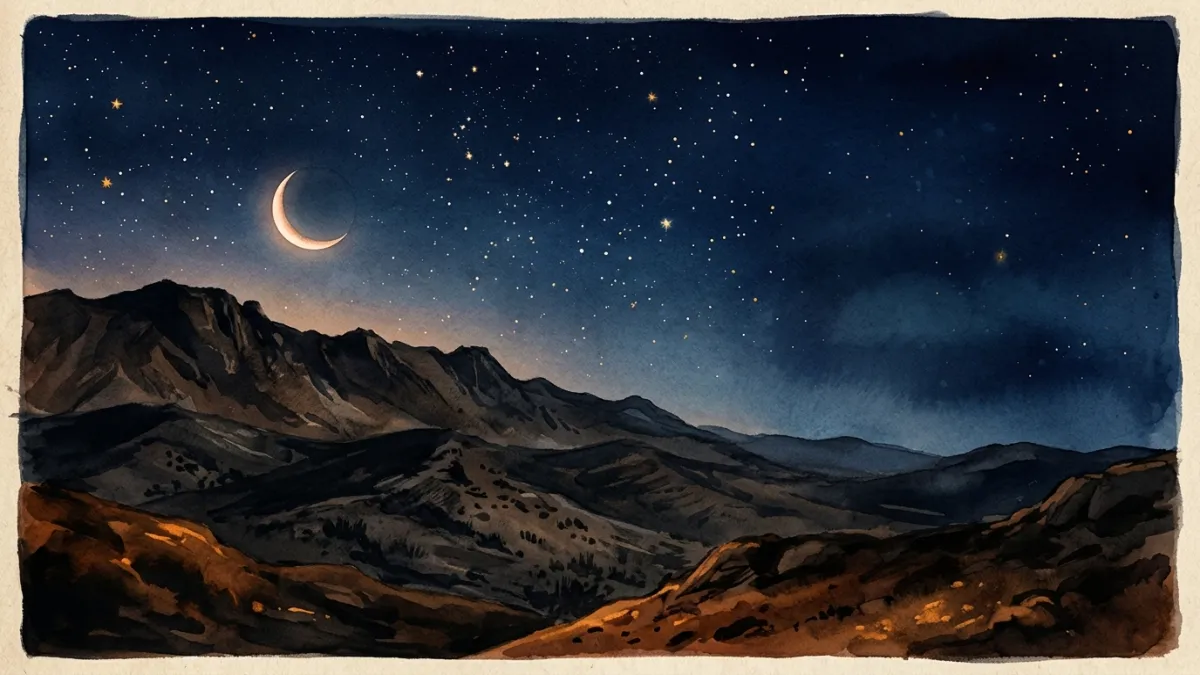
What Kaal Sarp Dosh means, the Rahu and Ketu rule behind it, what the old texts say and why astrologers disagree.
-
Khatu Shyam Story: Barbarik’s Head, Told Two Ways
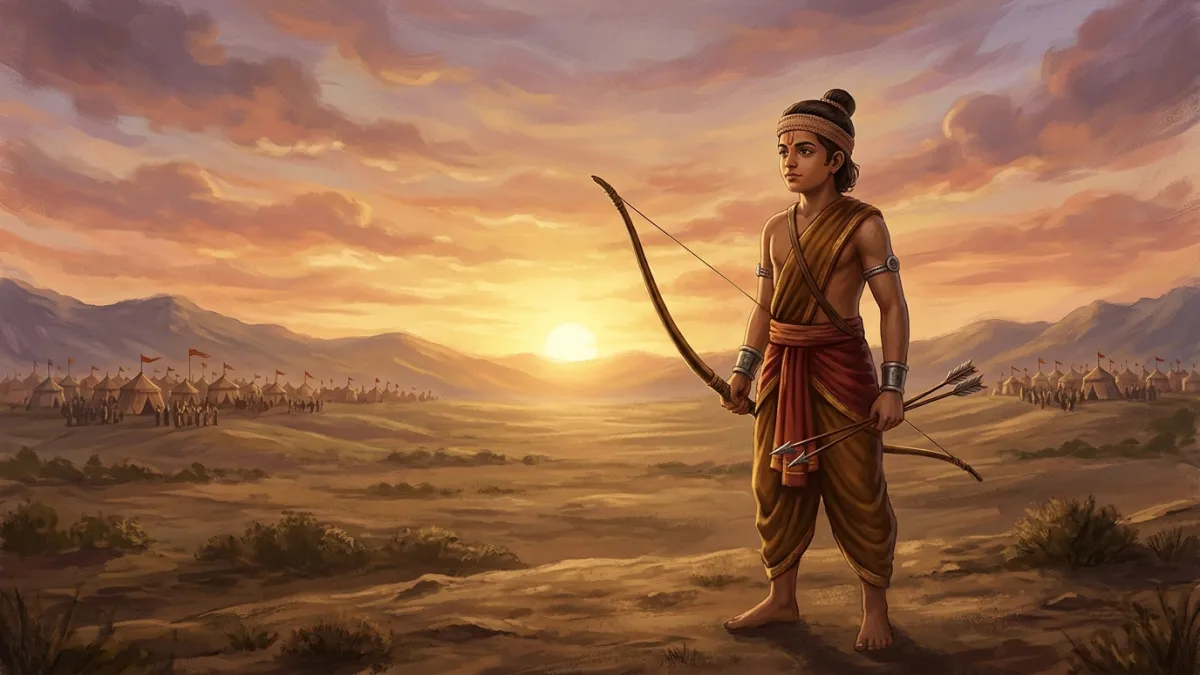
Khatu Shyam is Barbarik, grandson of Bhima. The Skanda Purana says Bhagwan Krishna beheaded him with the discus. Rajasthan’s folk telling says he gave his head as a gift.
-
Namaste Meaning: I Bow to You, and the Vedic Verse Behind the Word
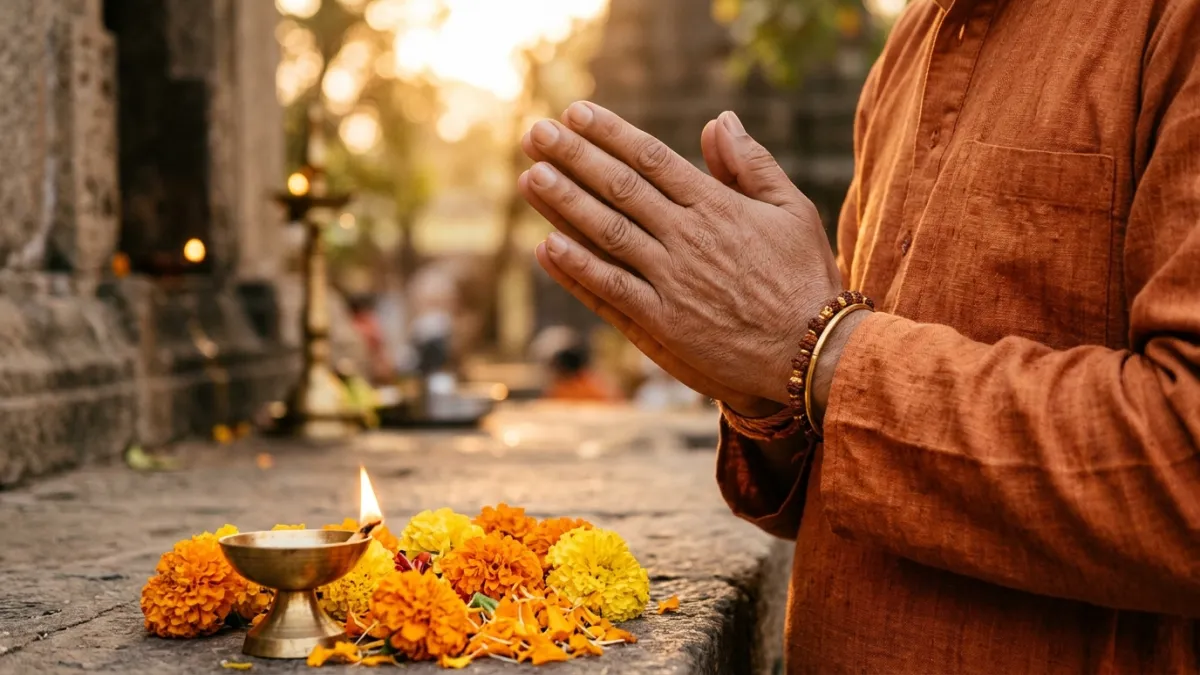
Namaste means “I bow to you”. Here are its two Sanskrit parts, the Rig Veda verse where the words appear, and the devotional reading kept apart from the literal meaning.
-
What Is Karma? What the Gita and Upanishads Say About Action

Karma means action, from the root kri. The fruit of action has its own name. Here is what the Upanishads, the Gita and later teachers each say, and where karma differs from fate.
-
The Story Behind Badrinath: Maa Lakshmi, the Badri Tree and Bhagwan Vishnu
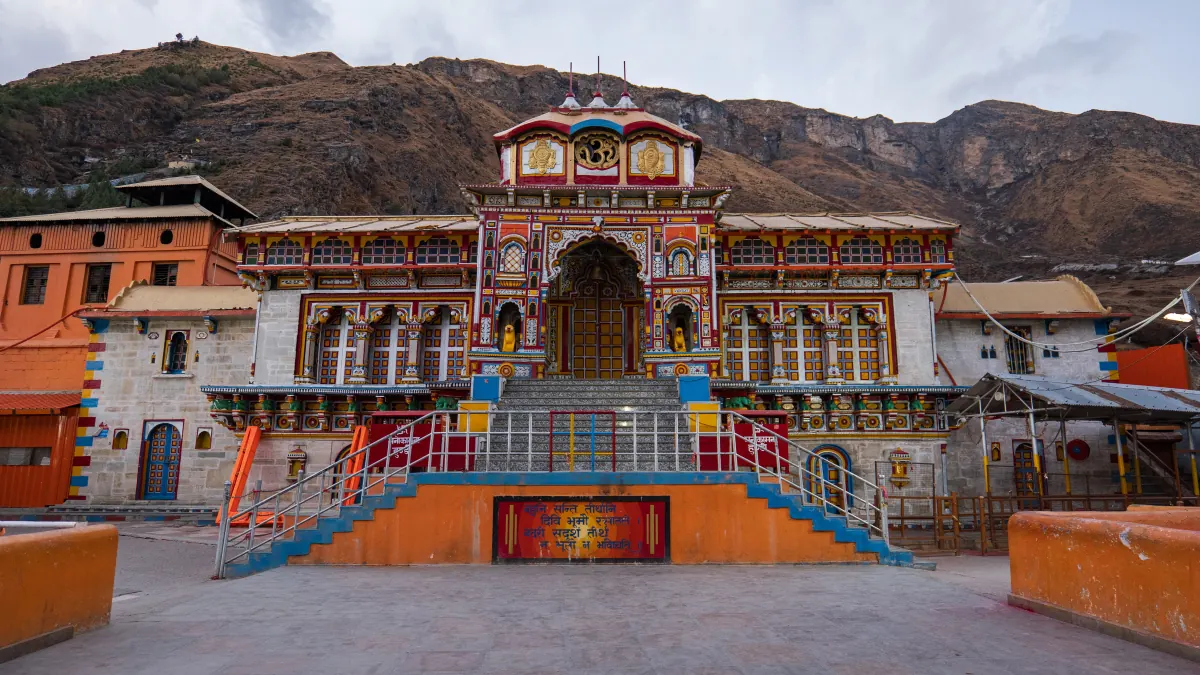
Why the shrine is named for a tree, and who found the murti. The Badrinath story episode by episode, with the text or temple committee behind each part.
-
Sanatan Dharma Meaning: What “Eternal Dharma” Says in the Texts
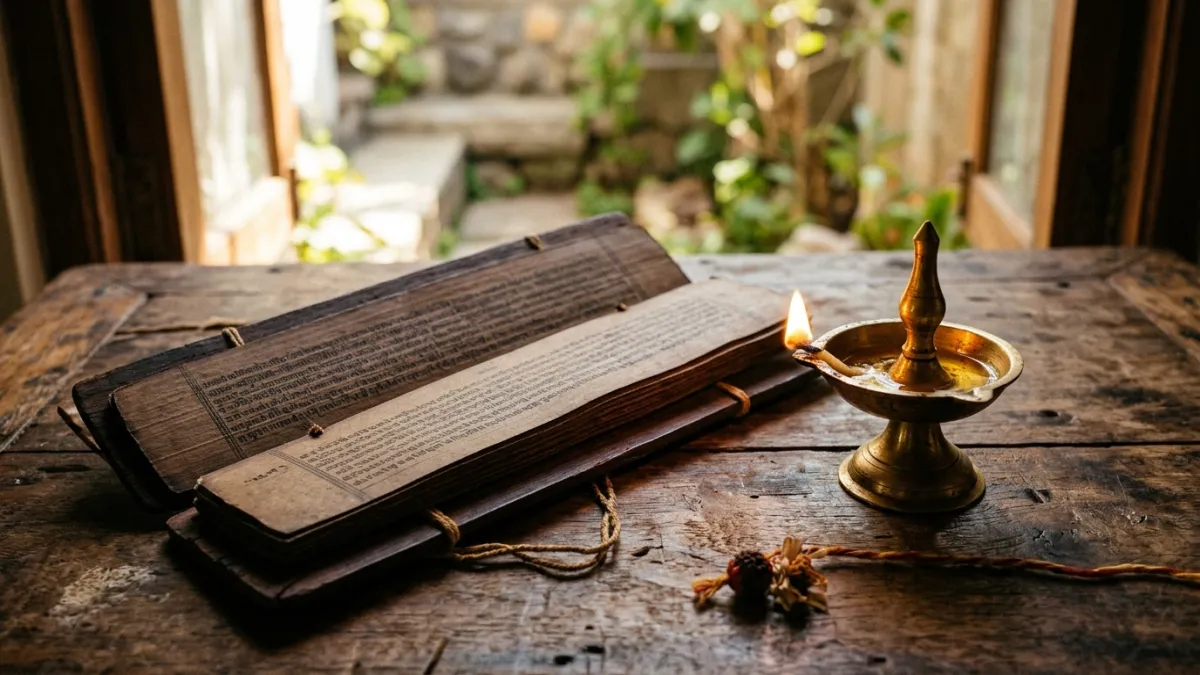
Sanatana Dharma means eternal dharma. Read the two words one by one, see where sanatana appears in the Gita and the Dhammapada, and learn when it became a name.
-
Kartik Purnima and Dev Deepawali: Tripurasura and the Lamps of Kashi
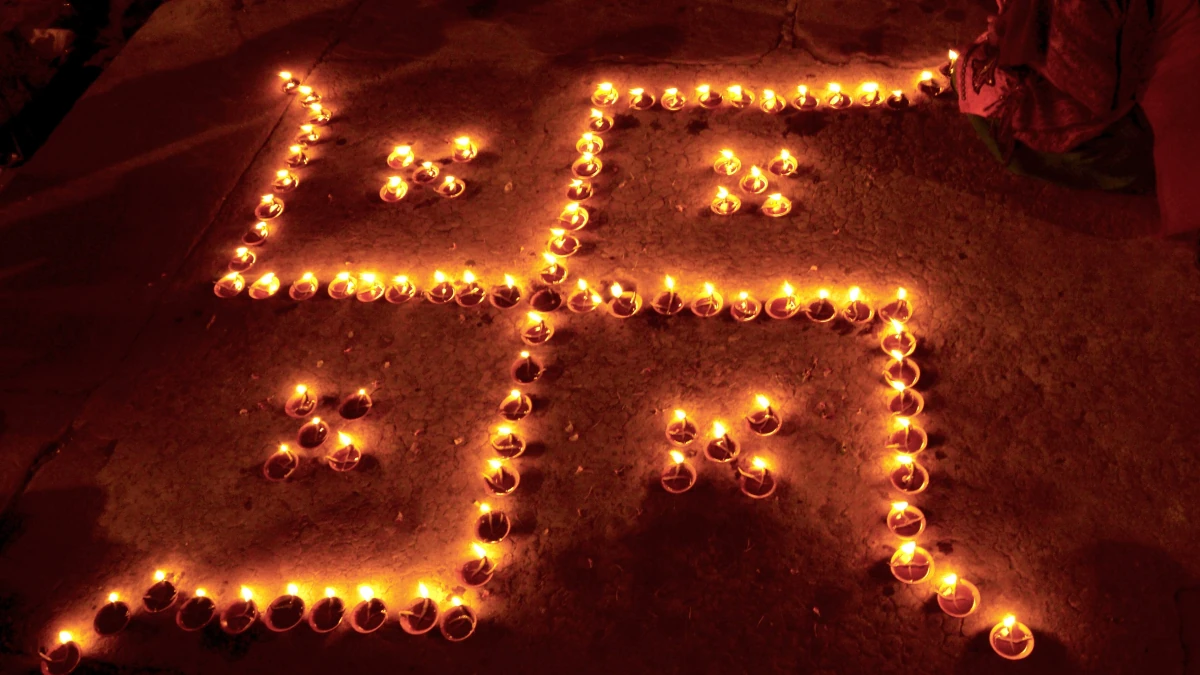
Tradition says Kartik Purnima is the night Bhagwan Shiva ended Tripura with one arrow. In Kashi the ghats are lit for the gods said to come down to Maa Ganga.
-
Om Meaning: Three Sounds and the Silence Speech Cannot Reach
What Om means in the Upanishads, Gita and Yoga Sutra, from A, U and M to the silent fourth part, and why it is written ॐ.
-
Who Was Bhagwan Ram? The Prince of Ayodhya, as Valmiki Tells It

Bhagwan Ram was the prince of Ayodhya, eldest son of Dasharatha, husband of Maa Sita and hero of the Ramayana. His life, in the order Valmiki tells it.
-
Tulsi Vivah Story: Vrinda’s Vow, Jalandhar’s Fall and the Shaligram
Bhagwan Shiva’s anger became a boy no god could kill, because of one woman’s vow. The Tulsi Vivah story of Vrinda, Jalandhar and the Shaligram, and where the Puranas differ.