Devotional Lifestyle and Culture
Discover India’s devotional lifestyle, spiritual traditions, festivals, and daily practices.Explore how faith, culture, and everyday life come together in Sanatan Dharma.
-
Ghat Meaning: Why Varanasi’s Steps Go Down to the Ganga
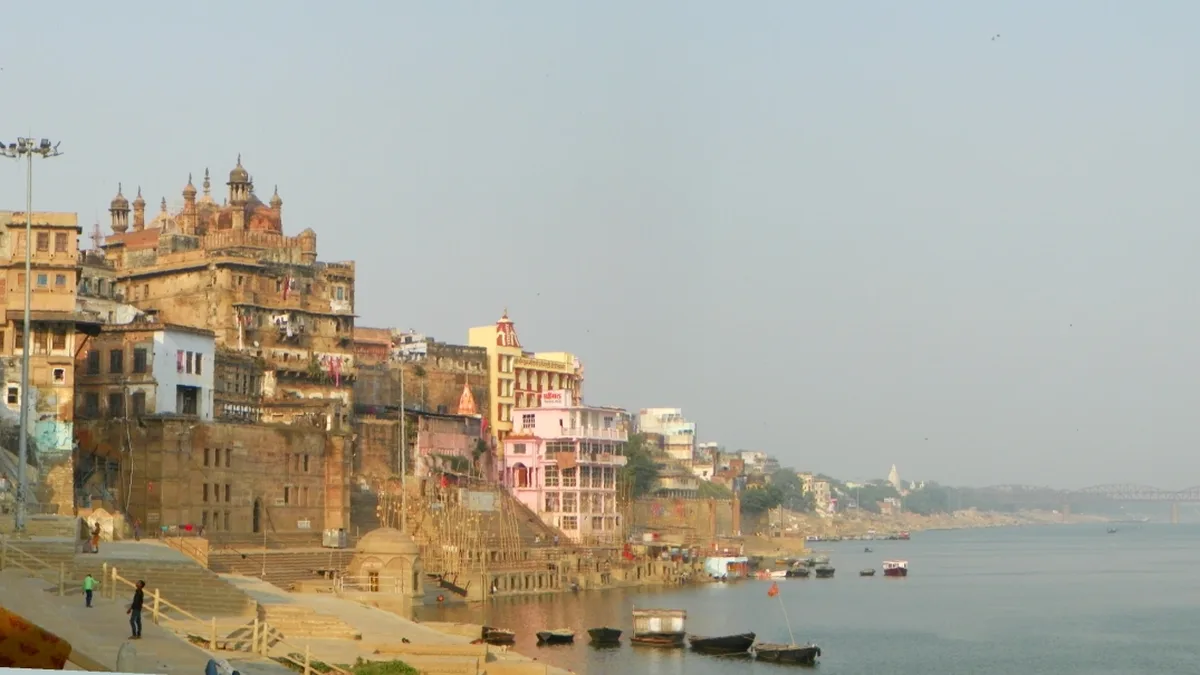
A ghat is a flight of steps or a landing that takes people down a river or pond bank to the water, high or low. Why Varanasi’s steps run into the Ganga.
-
Why Hindus Fast: What Upavasa Asks Beyond Giving Up Food
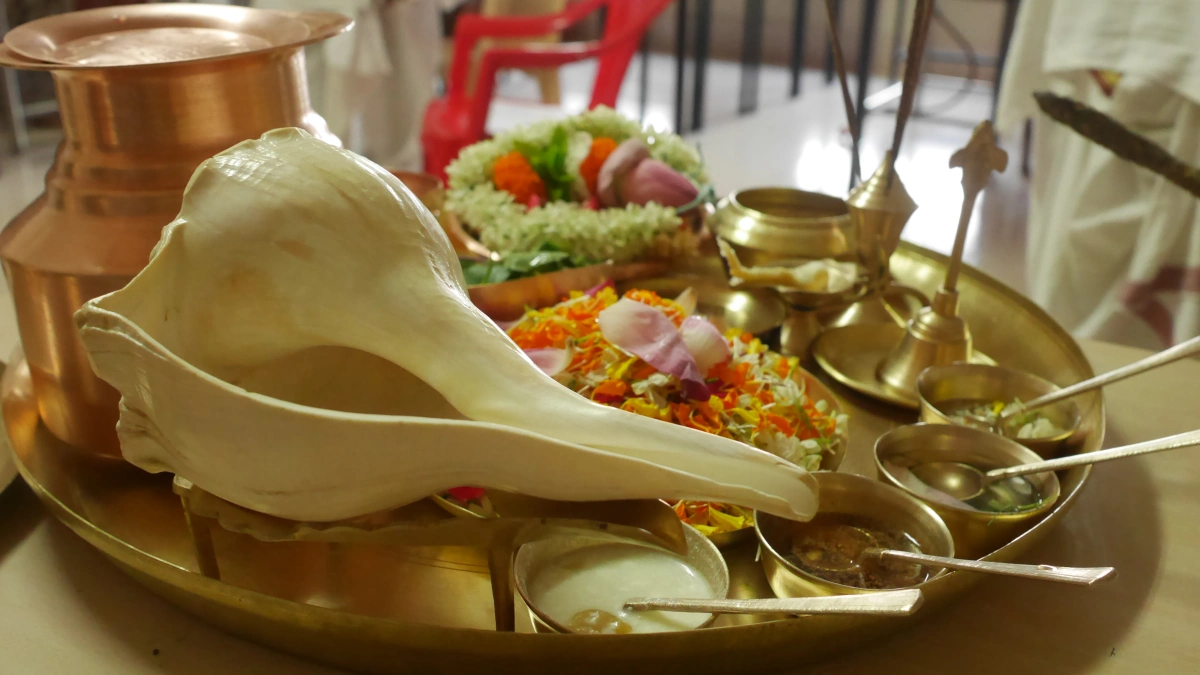
Upavasa, the Hindu fast, is abstinence from all sensual gratification in Monier-Williams. Here are the reasons the texts give for fasting, and the days it is kept.
-
Adhik Maas Kya Hai: Why the Hindu Calendar Adds a 13th Month
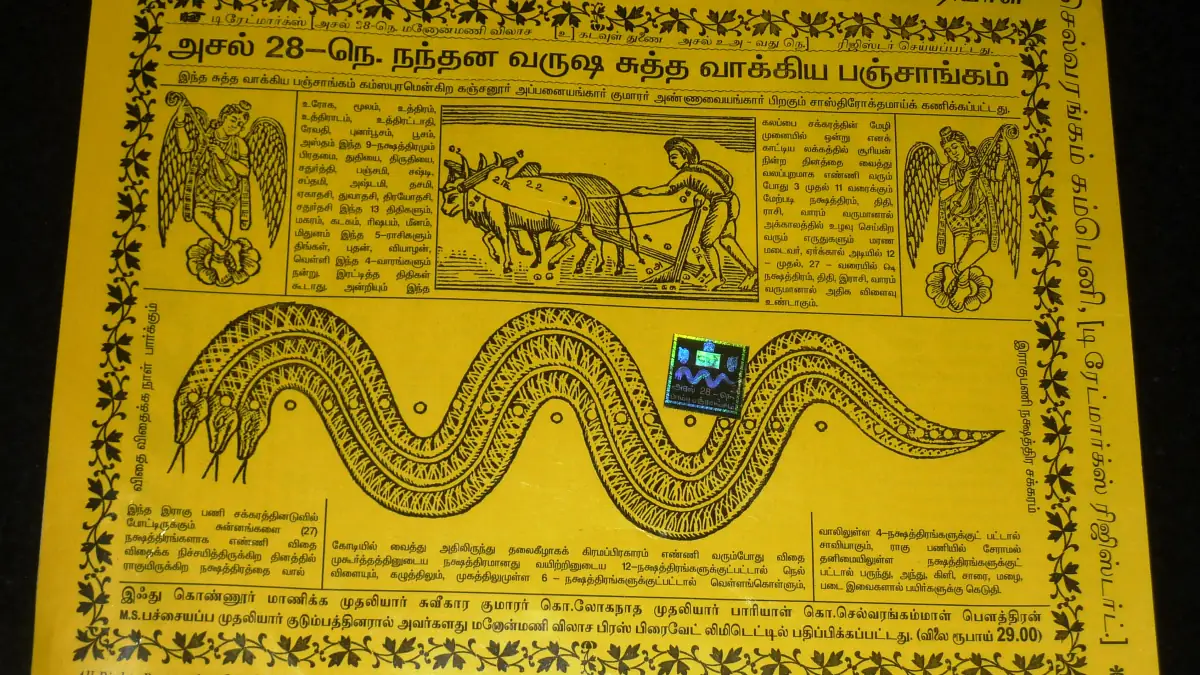
Adhik Maas is the extra lunar month the Hindu calendar adds roughly every 32 to 36 months, when the Sun enters no new zodiac sign. It is also called Purushottam Maas.
-
Brahman Meaning: The Blade of Grass That Humbled the Gods

Agni Dev could not burn one blade of grass. The Kena Upanishad uses that moment to show what Brahman means: the one reality behind the gods and our own senses.
-
Atman Meaning: The Self Indra Dev Spent 101 Years Finding

Atman means the self, the one in you who is aware of every thought. The Chandogya Upanishad gets there through Indra Dev, who turned back to Prajapati Dev three times and stayed 101 years to hear it.
-
Parikrama Meaning: Why Bhagwan Ganesh Won the Race by Circling His Parents

Bhagwan Ganesh won a race round the world by walking three times round his parents. That walk is parikrama, the same act at a tulsi plant or the 14 km road round Arunachala.
-
What Is a Tithi? Why It Is Rarely Exactly 24 Hours

Tithi kya hai? The Moon gains 12 degrees on the Sun, and the time that takes changes from tithi to tithi. See why a vrat day can differ by sunrise and city.
-
Maya Meaning: Narada’s Lake and Why Illusion Is Only Half the Answer

Maya is the power that makes the one appear as many, and makes a mind take what it sees for the whole. The Rig Veda uses it for a god’s creative power. Shankara’s Advaita reads it as illusion.
-
Amavasya Kya Hai? The Moonless Tithi, and Which Do-Nots Are Only Custom
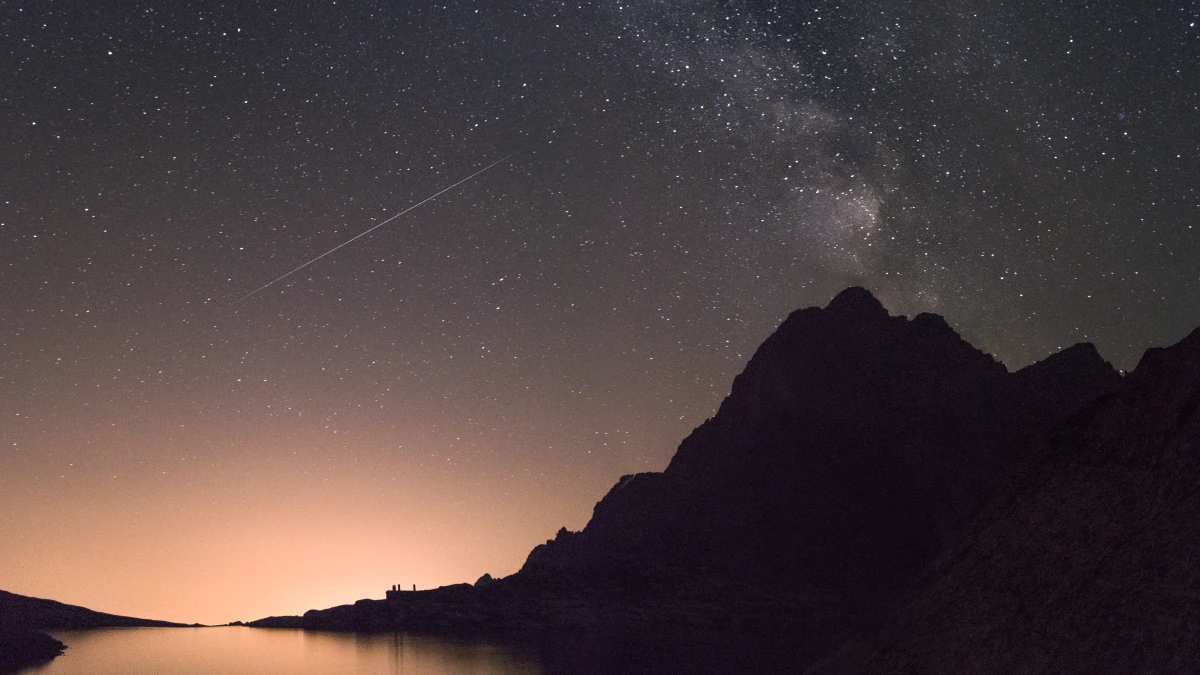
Amavasya is the 30th and last tithi of the lunar month, the night with no Moon. Families keep it for their ancestors, and its do-not list comes from custom more than text.
-
Why No One Takes a Leaf From India’s Sacred Groves

Nobody may enter Nidhivan after dark. A sacred grove is forest handed over to a local deity or ancestral spirits, left untouched and guarded by belief and taboo rather than any fence.